

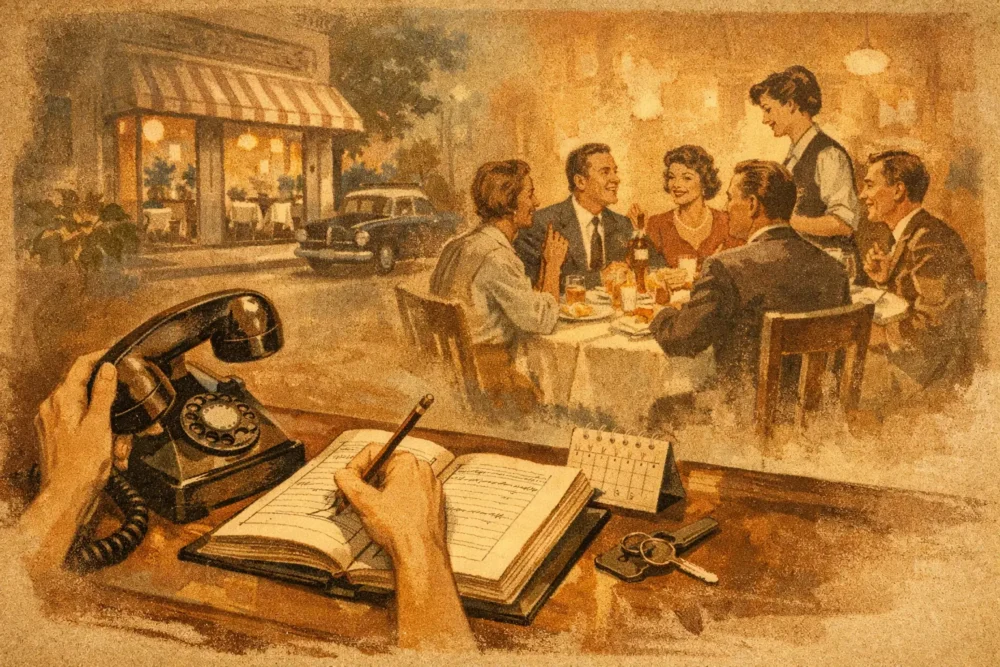
A great group dinner can feel effortless when everyone is settled in, drinks are on the table, and the conversation starts flowing. Getting there, though, usually comes down to one thing: knowing how to book group dinner reservations before the details turn into a long text thread and a lot of crossed wires.
If you are planning a birthday dinner, family gathering, team outing, or vacation meal with friends, the reservation matters more than most people expect. The right timing, headcount, and communication can shape the whole evening. A little planning helps your group enjoy the meal instead of troubleshooting it from the parking lot.
How to book group dinner reservations without the usual stress
The first step is getting clear on your actual group size. That sounds obvious, but there is a big difference between eight guests, twelve guests, and twenty guests in a restaurant setting. Once a dinner moves beyond a standard table, spacing, staffing, and menu pacing all start to matter more.
Before you reach out, confirm the number you can stand behind. It is better to give a realistic estimate and explain that a final count is coming than to book for twelve when eighteen people are likely to show up. Restaurants can often work with updates, especially when they are given enough notice. Last-minute surprises are where things get complicated.
Timing is the next piece. If your group wants a Friday or Saturday dinner, especially in a destination town or during a busy season, book early. Prime dinner hours fill first because larger parties need more coordination behind the scenes. If your date is flexible, you may have better luck choosing an earlier seating or a weeknight. That trade-off can mean a smoother experience and more options for where your group sits.
It also helps to know what kind of evening you are trying to create. Some groups want a lively cocktail-forward dinner with a social feel. Others want a quieter meal where everyone can actually talk across the table. When you know the mood, it becomes much easier to choose the right restaurant and ask the right questions.
What restaurants need from you when booking a group dinner
The easiest reservations are the ones with complete information from the start. When you call or submit an inquiry, be ready with your date, preferred time, estimated guest count, and the occasion. If anyone in your party has mobility needs, dietary restrictions, or seating preferences, mention that early.
That does not mean every request can always be guaranteed. Patio seating, private areas, sunset views, and split checks may depend on the night, the size of the party, and the restaurant’s layout. Still, sharing those details upfront gives the team the best chance to accommodate your group well.
If children are joining, mention that too. The same goes for guests bringing dogs to a pet-friendly patio. Hospitality teams are much better at setting the table for a smooth evening when they understand the shape of the group before anyone arrives.
For larger parties, some restaurants may offer a limited menu, a prix fixe option, a food and beverage minimum, or a deposit requirement. None of that is a red flag. It is often what allows the kitchen and service team to deliver a consistent experience for everyone at the table. Group dining comes with more moving parts, and structure can actually make the evening feel more relaxed once you are there.
Questions worth asking before you confirm
When people think about how to book group dinner reservations, they often focus only on availability. Availability matters, but it is not the whole picture. The better question is whether the restaurant is a good fit for your group.
Ask whether the party will be seated at one table or split across multiple tables. Ask whether the full dinner menu will be available. Ask about timing expectations, especially if your group may arrive in waves. If the dinner is for a celebration, ask whether the restaurant can accommodate dessert service, a toast, or a quieter section of the room.
Payment is another detail worth covering early. Some restaurants can provide separate checks within reason. Others may limit how many ways a large party can split the bill. It is much easier to set expectations before the reservation than at the end of dinner when everyone is reaching for their phone.
If atmosphere matters, ask about seating options. In a place like Sedona, for example, scenery can be part of the experience. A dinner with red rock views, creekside air, and a little extra room to settle in feels very different from a standard indoor table during a rush. If setting is part of why you are gathering, say so.
Why earlier is almost always better
People often wait to book because they are still finalizing the guest list. The instinct makes sense, but it can work against you. A restaurant can often adjust a reservation by a few seats with enough notice. What is much harder is finding space for a large party at the last minute during a busy dinner service.
Booking early gives you more flexibility with seating, more choice in timing, and a better shot at the atmosphere you want. It also shows the restaurant that your group is organized and serious, which can help the planning process go more smoothly.
This matters even more around holidays, spring travel periods, wedding weekends, and local event calendars. In high-traffic dining destinations, restaurant schedules can fill quickly. If your dinner is tied to a travel itinerary, reserve sooner than you think you need to.
How to help your group show up well
A reservation is only half the job. Once it is booked, the next step is making it easy for your guests to follow through. Send one clear message with the restaurant name, address, reservation time, parking notes if needed, and whether the group should plan to arrive a little early.
If the restaurant has asked for a final headcount by a certain date, respect that deadline. If the number changes, update them as soon as possible. If a few guests drop out, say so. Restaurants build staffing and table plans around the information they receive, and that affects other diners too.
It also helps to choose one point person for the reservation. When multiple guests call separately to add details, change the time, or ask for exceptions, confusion can build quickly. One contact keeps communication cleaner and makes the restaurant’s job easier.
When a regular reservation is not enough
Some dinners are really small events in disguise. If you are hosting a rehearsal dinner, milestone birthday, retirement celebration, or client-facing evening, a standard reservation may not be the best fit. Private or semi-private dining can offer more comfort, more control, and a more polished guest experience.
That is especially true if speeches, custom menus, AV needs, or a set timeline are involved. In those cases, ask about event spaces rather than trying to fit an event-style dinner into a standard dining room reservation. The experience is usually better for your group and more manageable for the restaurant team.
At Creekside American Bistro, for example, group dining works best when the occasion, size, and expectations are shared upfront. That allows the team to guide guests toward the right setup, whether that means a scenic dinner table, a patio gathering, or a more dedicated event space.
Common mistakes to avoid
The biggest mistake is guessing on guest count and hoping it works itself out. A close second is choosing a restaurant without thinking about layout, noise level, or menu fit for the group. A beautiful dining room is not always the best choice for a ten-person family dinner, and a casual spot is not always right for a polished celebration.
Another common issue is underestimating timing. Large parties are slower to gather, sit, order, and settle the check. If your group has tickets, tours, or another commitment later in the evening, build in extra room. Dinner for ten is not the same as dinner for two.
Finally, do not assume every request is automatic. If you want outdoor seating, room for a stroller, space for a toast, or help accommodating allergies, ask directly. Clear communication is not demanding. It is helpful.
A well-booked group dinner starts long before the first appetizer arrives. When you choose the right restaurant, book with enough lead time, and share details clearly, the evening has room to become what it should be – relaxed, memorable, and easy to enjoy. That is the real goal: less time managing logistics, more time around the table with the people you came to see.