

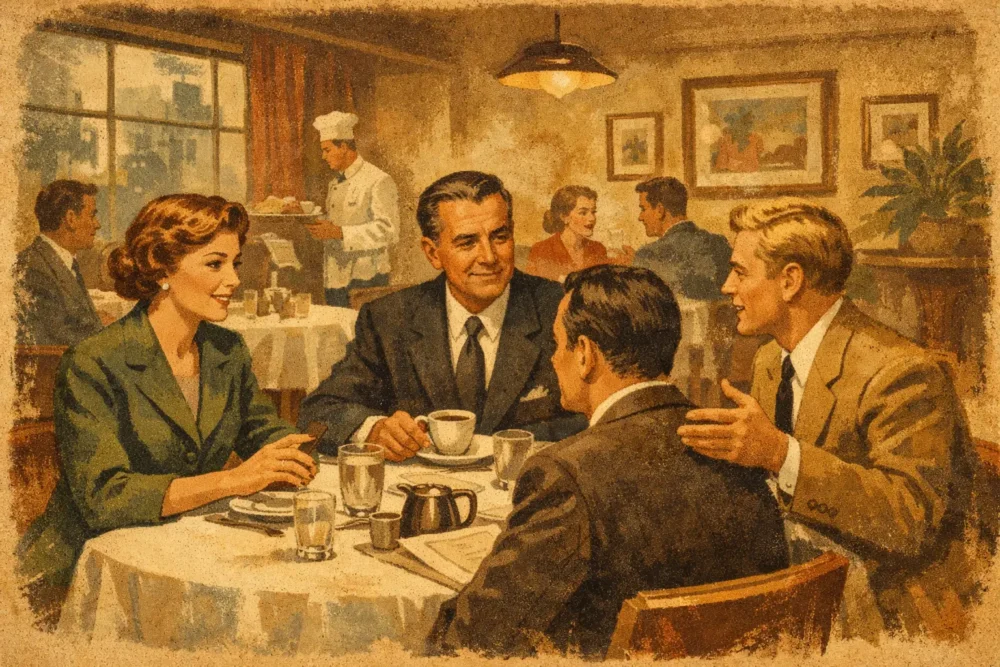
A good meeting can fall apart for reasons that have nothing to do with the agenda. The room is too loud. Service feels rushed. Parking is confusing. Half the group orders late, and the conversation never quite finds its rhythm. A practical guide to hosting restaurant meetings starts there – with the reality that the setting shapes the outcome as much as the people in the room.
Restaurant meetings work best when they feel easy from the moment guests arrive. That does not mean overly formal or stiff. It means choosing a place where hospitality supports the purpose of the gathering, whether you are meeting with clients, bringing a team together, or sitting down for a small strategy session over lunch. The right restaurant can create focus, keep people comfortable, and make the entire experience more memorable in the best way.
Why restaurant meetings work so well
A restaurant gives people something many traditional meeting spaces do not: warmth. There is a natural ease that comes from gathering around food and drinks, especially when the setting feels polished but approachable. People tend to relax a little, speak more openly, and settle into conversation faster than they might in a boardroom.
That said, not every meeting belongs in a restaurant. If your group needs full audiovisual support, total silence, or several uninterrupted hours of presentations, a dedicated conference space may be the better fit. Restaurant meetings shine when the goal is discussion, relationship-building, team connection, or a productive conversation that benefits from a more inviting atmosphere.
A guide to hosting restaurant meetings begins with the purpose
Before you think about menu options or table shape, get clear on what the meeting needs to accomplish. A client lunch has different needs than a hiring interview or a quarterly team check-in. When the purpose is clear, the rest of the planning gets much easier.
If the meeting is meant to impress, atmosphere matters more. Scenic views, attentive service, and a chef-driven menu can leave a stronger impression than a generic private room. If the meeting is more operational, comfort and consistency may matter most. Guests should be able to hear each other, order without delay, and stay focused without feeling hurried.
It also helps to think about the tone you want to set. Some meetings call for energy and a lively setting. Others need a calmer backdrop that encourages thoughtful conversation. There is no single right formula. It depends on the group, the relationship, and what you need people to walk away feeling.
Choose the right time, not just the right place
Timing is one of the most overlooked parts of hosting restaurant meetings. A beautiful restaurant at the wrong hour can become a noisy distraction. On the other hand, the same venue during a quieter service window can feel ideal.
Breakfast and brunch meetings often work well for fresh thinking and shorter agendas. People arrive focused, the pace tends to be efficient, and there is a natural endpoint to the gathering. Lunch meetings are a strong choice for client conversations or professional catch-ups, especially when you want a setting that feels productive without being too formal. Early afternoon can be especially comfortable if you want a little more space and less rush.
Dinner meetings can be effective when relationship-building is part of the goal, but they do require more care. Evening service is often livelier, and a dinner setting can feel more social than strategic. That can be a plus or a drawback depending on what you need.
What to look for in a restaurant meeting venue
The best venue balances atmosphere with practicality. Scenic appeal, quality cuisine, and a welcoming dining room matter, but they need to be matched by operational details that support the group.
Noise level should be near the top of the list. If people cannot hear one another without leaning in every few minutes, the meeting becomes work in the wrong way. Table layout matters too. A long, narrow table can split the conversation, while a round or semi-private setup often creates better flow for smaller groups.
Service style is another factor. You want a team that is attentive but not intrusive, experienced with group dining, and able to pace food and drinks around the meeting rather than interrupting it. Parking, reservation reliability, and clear communication all matter more than people realize. A smooth arrival sets the tone.
For many hosts, the sweet spot is a restaurant that feels special without feeling complicated. A scenic setting, comfortable seating, and well-executed food can elevate the meeting, but guests should never feel unsure about what to order or how formal they need to be.
Plan the menu with the meeting in mind
Food can help a meeting along, or it can slow everything down. The key is choosing an approach that fits the format of the gathering.
For shorter meetings, a lighter menu often works best. Breakfast plates, salads, sandwiches, and other approachable options keep the pace moving and make ordering simpler for the group. For a longer lunch or early dinner, a slightly broader menu can be a plus, especially if guests have different preferences or dietary needs.
This is where working with the restaurant ahead of time makes a difference. Some groups do better with preselected menu choices or a limited event menu that keeps service efficient. Others prefer full menu flexibility. Neither option is automatically better. If the meeting is highly structured, a simplified menu usually supports that goal. If the gathering is more relational and conversational, more choice can make the experience feel generous and relaxed.
Drinks deserve some thought as well. Coffee and iced tea are easy defaults for daytime meetings. Cocktails or wine can be appropriate for client hosting or celebration-oriented gatherings, but it depends on the tone you want. A handcrafted drink can add to the sense of occasion, though not every meeting benefits from it.
Communicate with the restaurant early
One of the best parts of any guide to hosting restaurant meetings is also the simplest: do not leave the details until the last minute. Restaurants can accommodate a great deal when they know what you need in advance.
When you book, share the group size, occasion, timing, and whether the meeting has any special flow. Let them know if you need a quieter table, a semi-private space, split checks, one host check, dietary accommodations, or a certain pacing for courses. If there is a presentation, handout, or guest of honor involved, mention that too.
This is not about making the meeting feel complicated. It is about giving the hospitality team enough context to set you up well. Experienced restaurants understand that group dining has a rhythm, and the more they know, the more naturally they can support it.
Think beyond productivity
People remember how a meeting felt. That matters more than many hosts admit. A restaurant with views, natural light, inviting interiors, or a comfortable patio can turn a routine gathering into something people actually look forward to.
In a destination like Sedona, the setting can become part of the value. A meal framed by red rock views, fresh local ingredients, and genuine hospitality does more than fill the table. It helps guests feel taken care of. For local professionals, that can mean a more impressive place to host clients. For visiting groups, it can make the meeting feel connected to the place rather than dropped into a generic space.
Creekside American Bistro is the kind of setting many hosts look for when they want a meeting to feel polished, scenic, and easy to enjoy all at once. That balance matters. You want guests to stay engaged, but you also want them to leave feeling like their time was well spent.
Common mistakes to avoid
Most restaurant meeting issues come down to mismatched expectations. Hosts choose a spot that is too loud, book at peak rush without realizing it, or fail to tell the restaurant that the table is there for business rather than a casual meal.
Another common misstep is overloading the agenda. Restaurants are ideal for conversation-driven meetings, but they are not always the best place for dense presentations or long sessions with no natural breaks. When in doubt, simplify. Focus on the discussion you actually need to have and let the setting do some of the work.
It is also worth thinking about comfort in a broader sense. Guests may have dietary restrictions, different time constraints, or varying preferences around alcohol. Good hosting takes those small details seriously. That is often what separates an average meeting from one that feels genuinely well planned.
How to know you picked the right restaurant
The best restaurant meetings feel almost effortless. Guests arrive without confusion, settle in quickly, and stay engaged without fighting the room. The food supports the experience rather than competing with it. Service is attentive, the atmosphere feels right, and the conversation moves naturally.
That is the real goal. Not just a meal, and not just a meeting, but a setting where people can connect, think clearly, and enjoy being there. When a restaurant can offer comfort, quality, and a sense of place, it becomes more than a convenient location. It becomes part of what makes the gathering work.
If you are planning your next group lunch, client conversation, or team get-together, give the setting the same attention you give the agenda. People may forget a spreadsheet, but they tend to remember a meeting that felt welcoming, thoughtful, and worth showing up for.