

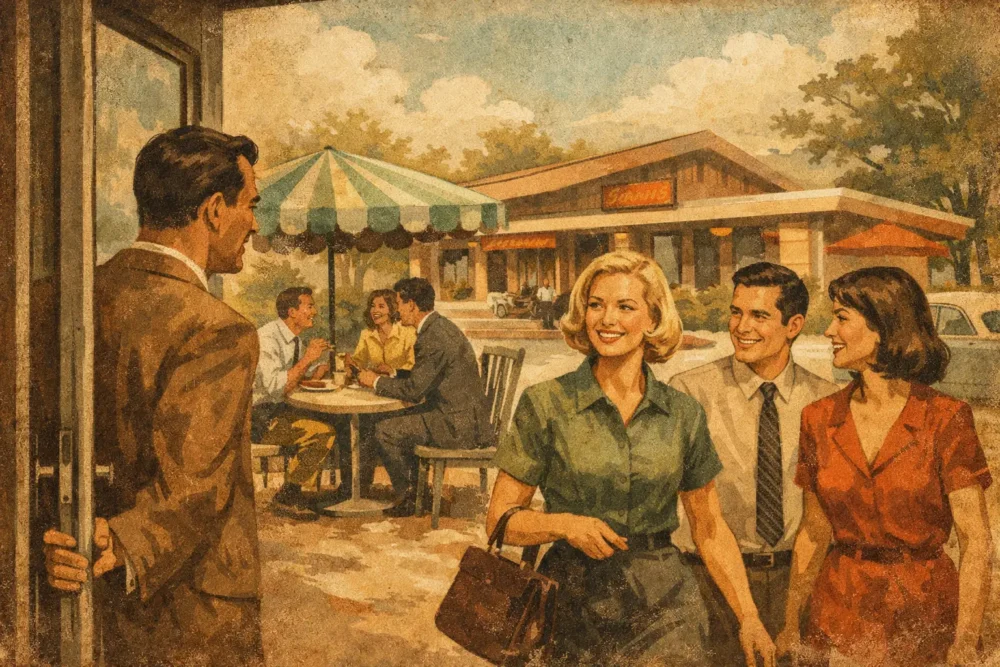
A team lunch should feel like a genuine pause in the workday, not a calendar obligation with lukewarm food and rushed conversation. When you plan team lunches with care, you give people room to reconnect, celebrate progress, welcome a new colleague, or simply enjoy a change of scenery together. In Sedona, that can mean trading conference-room walls for red rock views, a relaxed table, and a meal everyone can look forward to.
The best group lunches are easy on the organizer and memorable for the guests. That balance comes down to a few thoughtful decisions: the purpose of the gathering, the size and needs of the group, the menu, the timing, and the atmosphere. A little planning helps the meal feel generous without becoming overly formal.
Start With the Reason for the Lunch
A clear purpose shapes every other decision. A client lunch calls for a setting where conversation can move comfortably and service feels polished. A staff appreciation lunch may call for familiar, feel-good dishes, cocktails or mocktails, and enough time for people to settle in. For a leadership meeting, a quieter table and a dependable pace may matter more than a lengthy menu.
You do not need to announce a grand agenda, but knowing why everyone is gathering keeps the experience focused. If the goal is connection, avoid packing the lunch with presentations. If the goal is to recognize a milestone, make room for a toast or a few sincere words. If it is a working lunch, let the restaurant know in advance so the group can be seated in a space that supports conversation.
Match the Setting to the Moment
The setting carries part of the message. A casual grab-and-go meal can work for a quick project check-in, while a full-service restaurant better suits visiting partners, a team celebration, or an off-site meeting meant to feel like a reward.
Sedona groups have an advantage: scenery can make an ordinary weekday lunch feel like an occasion. A patio near Oak Creek or a dining room framed by the Red Rocks gives guests something to enjoy between conversations. Still, the right choice depends on the season, group preferences, and schedule. Outdoor dining is especially appealing on a mild day, while an indoor space may be more comfortable for a structured discussion or a larger party.
How to Plan Team Lunches Around Real Schedules
Lunch works best when it respects the fact that people have work to return to. Start by choosing a date that avoids major deadlines, standing meetings, and the busiest travel days for any out-of-town guests. For most groups, a 60- to 90-minute window provides enough time to arrive, order, eat, and talk without watching the clock every few minutes.
An earlier lunch can be a smart move for groups with packed afternoons. A later reservation may offer a more relaxed pace and can flow naturally into an afternoon coffee or an award-winning happy hour, depending on the occasion. The right timing is less about a universal rule and more about your team’s rhythm.
Reserve as early as practical, particularly for groups of eight or more, weekend gatherings, or dates during Sedona’s popular travel seasons. Share a reliable guest count, a point of contact, and the nature of the event. This gives the restaurant team the information needed to prepare a comfortable table and guide you toward the best options.
Ask About Dietary Needs Before You Book
A thoughtful team lunch makes it easy for every guest to enjoy the meal. Send a brief message before confirming the reservation and ask about allergies, vegetarian or vegan preferences, gluten-sensitive needs, and other dietary considerations. You do not need to collect anyone’s medical history. A simple, private request for meal preferences is enough.
Then pass the relevant information along when making the reservation. Chef-driven American menus often offer flexibility, but advance notice is the difference between hoping there is an option and knowing your guests will be accommodated. This is especially valuable for larger groups, where last-minute changes can slow down ordering.
It also helps to consider drinking preferences. A celebratory cocktail can add warmth to the table, but the best gathering offers equally appealing nonalcoholic choices. No one should feel singled out for ordering iced tea, sparkling water, or a zero-proof drink.
Choose Food That Invites Conversation
The strongest team-lunch menus feel approachable, generous, and easy to order. High country comfort cuisine is a natural fit because it offers satisfying flavors without requiring guests to decode an unfamiliar dining experience. Think fresh salads, hearty sandwiches, shareable starters, seasonal vegetables, and polished comfort-food favorites that accommodate a range of appetites.
For a small group, letting guests order individually usually creates the most relaxed experience. People can choose what sounds good, and the meal feels personal. For a larger group or a lunch with a fixed budget, a limited menu or preselected courses can simplify service and keep the day moving. Neither approach is automatically better. Individual ordering offers variety; a group menu offers predictability.
If the lunch is intended to feel celebratory, add one shared element. A few starters for the table, a round of desserts, or a toast can create a sense of occasion without turning the meal into a production. The goal is not to over-order. It is to give the table a reason to linger for one more conversation.
At Creekside American Bistro, Chef Mercer Mohr’s seasonal, locally inspired comfort cuisine pairs especially well with groups seeking a Sedona meal that feels elevated, relaxed, and genuinely welcoming.
Keep the Logistics Invisible to Your Guests
Great hospitality often looks effortless because someone handled the details beforehand. Confirm the reservation a day or two ahead, especially if your headcount has changed. Ask about parking, arrival instructions, expected dining time, and whether the restaurant can accommodate a presentation, check, or shared payment arrangement.
For a client-facing lunch, arrive a few minutes early. It gives you time to greet guests without rushing and to make sure the table setup works. For an internal team meal, encourage everyone to arrive close to the reservation time rather than having half the group wait while food decisions are delayed.
Payment is one detail worth settling before the meal begins. Decide whether the host is covering the full check, whether there is a per-person limit, or whether guests will pay individually. If company policy requires receipts or a specific method of payment, have that ready. Clear expectations spare everyone an awkward moment at the end of an otherwise easy lunch.
Give the Table Room to Be Human
A team lunch should not become a meeting that happens to include plates. There is a time for updates and a time for stories about weekend hikes, visiting family, favorite local spots, or the dish someone cannot stop thinking about. Let both happen.
If you need to cover business, keep it brief and save the most detailed discussions for before or after the meal. One useful prompt can create better connection than a long agenda: ask what the team is proud of this month, what a new colleague should know, or where everyone would take a first-time Sedona visitor. These questions feel natural, and they invite people into the conversation without putting anyone on the spot.
Be mindful of hierarchy, too. A lunch feels more inclusive when leaders share the table rather than dominate it. Invite quieter team members into the conversation, but do not force participation. Comfort is the point.
Make the Experience Feel Thoughtful, Not Overplanned
The difference between a forgettable work meal and a team lunch people mention later is often simple: guests feel considered. A table with a view, a menu that works for everyone, an unhurried pace, and service that anticipates needs can do more than a stack of branded gifts ever will.
For milestones, a small personal touch goes a long way. Mention a work anniversary, celebrate a completed project, or thank a visiting partner by name. Keep it sincere. Teams can tell when appreciation is performative, and they can also tell when someone made the effort to gather them somewhere they can relax.
Do not underestimate the value of ending on a pleasant note. Rather than sending everyone immediately back to their desks or vehicles, leave a few minutes for coffee, dessert, a walk by the creek, or a photo with the Red Rocks in the background. In a place like Sedona, the setting is part of the hospitality.
The next time your calendar calls for a group meal, choose the kind of table that gives people more than lunch. A comfortable seat, good food, and an unhurried view can remind a team that the work matters, and so do the people doing it.