

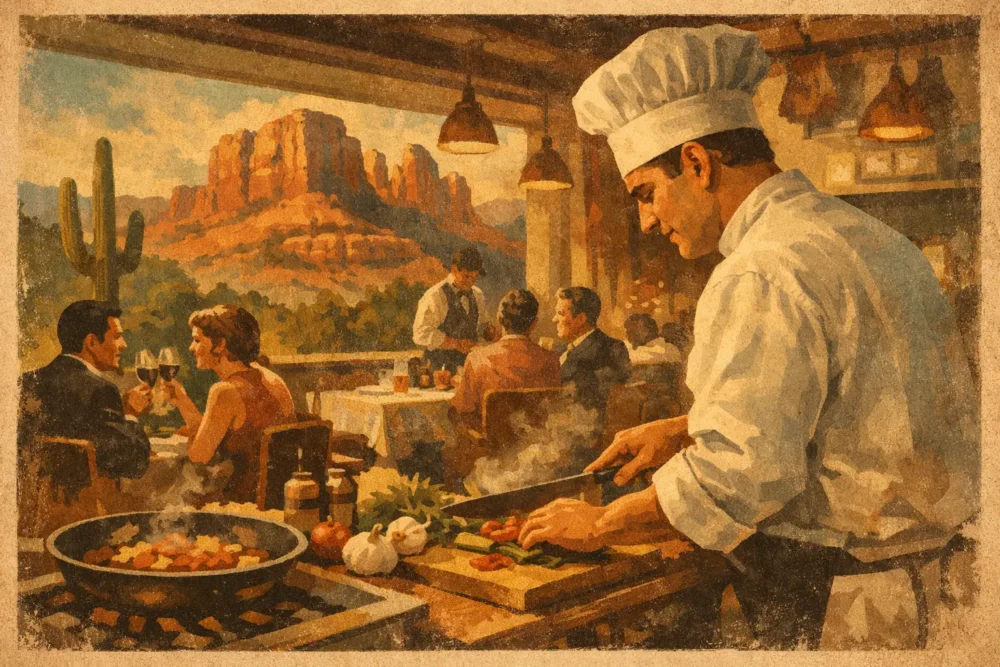
The red rocks are glowing, Oak Creek is moving below the patio, and the question is not simply where to eat. If you are wondering why choose a chef led restaurant, the answer is in the details that turn a meal into a real Sedona memory: a menu with a point of view, ingredients treated with care, drinks made to complement the food, and service that makes room for your whole group.
A chef-led restaurant is not about making dinner feel overly formal. It is about knowing that someone with a clear culinary vision is guiding the experience, from the first bite at brunch to the last cocktail shared at sunset. For travelers looking for something more meaningful than a quick stop and locals choosing where to celebrate, that difference can be felt right away.
Why Choose a Chef-Led Restaurant?
At a chef-led restaurant, the menu is more than a collection of popular dishes. It reflects decisions about flavor, season, sourcing, and the kind of hospitality the kitchen wants to offer. A chef considers how a rich entrée should balance with a crisp salad, how a bright local ingredient can lift a familiar favorite, and how a comforting dish can still feel special enough for a night out.
That creates a sense of connection across the menu. Breakfast, lunch, dinner, and happy hour can each have their own personality while still feeling like they belong in the same place. You are more likely to find food that is recognizable and satisfying, with a thoughtful twist rather than a twist for its own sake.
For guests, this often means elevated comfort cuisine that feels welcoming from the first order. The food may be polished, but it should never require a dictionary or make anyone at the table feel out of place. A great chef-led dining room understands that a couple on a weekend getaway, a family after a day on the trails, and friends meeting for cocktails all want to feel equally comfortable.
Seasonal Ingredients Give Familiar Food New Energy
Seasonality is one of the clearest reasons to choose a restaurant with a chef at the heart of its menu. When the kitchen pays attention to what is fresh and available, there is room for dishes to change with the weather, local harvests, and the spirit of the season.
That does not mean every favorite disappears just as you have found it. It means the menu has enough flexibility to stay interesting. A summer lunch can feel lighter and brighter. Cooler evenings can call for richer, cozier flavors. Fresh produce, herbs, and regional ingredients have a better chance to shine when the kitchen is actively engaged with them instead of relying entirely on a fixed, one-size-fits-all formula.
There is also a practical benefit. A menu built around fresh ingredients often tastes more vivid because it is not asking a tomato in winter or a tired garnish to do more than it can. The difference may be subtle on paper, but it is unmistakable when a simple plate tastes balanced, intentional, and satisfying.
The Experience Extends Beyond the Plate
Chef-led does not mean the chef is personally cooking every dish at every moment. It means the culinary standards, recipes, training, and final details are being led with purpose. The best chef-led restaurants carry that purpose from the kitchen into the dining room.
You notice it in the pacing of a meal. A server can help guide a group toward dishes that fit their plans for the evening, whether that means lingering over dinner or enjoying a relaxed happy hour before heading out. Bartenders know how to make a classic cocktail feel right for the setting, and the team understands that hospitality is often as memorable as the food.
This matters especially in a destination like Sedona. Visitors may have a tightly planned day of hiking, shopping, and sightseeing. Locals may be looking for a dependable place where the welcome is as consistent as the quality. In both cases, a restaurant should be able to meet guests where they are, whether they arrive dressed for a celebration or still carrying a little trail dust.
A Setting Worth Settling Into
Food can be excellent anywhere, but the right setting adds a different kind of value. In Sedona, a memorable meal often includes the view, the warm afternoon air, and the feeling that there is no need to rush back to the car.
A chef-led restaurant with a scenic patio creates space for that kind of experience. You can share a leisurely brunch while watching the morning light reach the red rocks. You can meet friends for handcrafted drinks after work. You can bring the dog along and enjoy a patio meal without treating your pet as an afterthought.
The setting should support the food rather than compete with it. A relaxed, beautiful backdrop makes elevated comfort cuisine feel even more approachable. It turns a casual lunch into a small occasion and gives a birthday dinner, reunion, or visiting-family meal the sense that it was worth gathering for.
Chef Direction Brings More Thought to Drinks, Too
The kitchen may lead the menu, but a well-run chef-led restaurant also gives beverages a meaningful place at the table. A cocktail should not feel disconnected from the meal. It can echo the season, offer a refreshing contrast to a richer dish, or simply give happy hour its own reason to return.
That is especially true for groups with different tastes. One guest may want a carefully made cocktail, another a glass of wine, and someone else an alcohol-free option that feels considered rather than obligatory. The strongest restaurant programs make all of those guests feel included.
At Creekside American Bistro, the award-winning happy hour is part of that larger hospitality mindset. It is an opportunity to settle in with good food and handcrafted drinks, surrounded by the red rock scenery that makes Sedona feel unlike anywhere else. The goal is not to make happy hour complicated. It is to make it genuinely enjoyable.
It Is a Better Fit for Everyday Meals and Big Moments
A common misconception is that chef-led dining is reserved for anniversaries and special occasions. It can absolutely be a wonderful choice for those moments, but its real strength is versatility. A thoughtful menu and capable service team can make a quick weekday lunch feel cared for while still having the range to host an unhurried dinner with out-of-town guests.
For celebrations and group dining, that consistency matters. The person planning the meal wants confidence that the food will please a range of palates, the drinks will be handled well, and the atmosphere will feel festive without becoming stiff. A chef-led operation is often better positioned to deliver that balance because the culinary and hospitality teams are working toward the same standard.
Private events deserve the same attention. A gathering is not successful just because everyone has a chair and a plate. Guests remember whether the food felt generous, whether the service was gracious, and whether the room gave the occasion a sense of place. Those are the details a hospitality-focused restaurant is built to manage.
When a Chef-Led Restaurant May Not Be the Best Choice
There are times when a chef-led experience may not be what you need. If your top priority is the fastest possible meal, a limited-service option may make more sense. If everyone in your group wants the exact same nationally standardized menu they know from home, a locally guided menu can feel less predictable.
Seasonal cooking also means a favorite dish may evolve or rotate off the menu. For many diners, that is part of the appeal. It gives them a reason to come back and see what is new. Still, it is fair to appreciate the trade-off: a menu with personality is less likely to be identical month after month.
The best choice depends on the occasion. But when you want food with care behind it, attentive service, and a setting that encourages you to stay awhile, chef-led dining offers something a convenient meal cannot always provide.
What to Look for Before You Reserve
Look for a restaurant where the chef’s influence is visible in more than a name. The menu should feel focused and inviting, with dishes that sound appealing rather than needlessly complicated. Seasonal ingredients, a thoughtful drink selection, and a team that can accommodate families, couples, groups, and four-legged patio guests are all strong signs that hospitality is central to the experience.
It is also worth choosing a place that fits the rhythm of your day. Maybe that is brunch before exploring Sedona, a relaxed lunch by the creek, cocktails during happy hour, or dinner after sunset. A restaurant that can meet those different moments with the same warmth gives you more than a reservation. It gives you a place to return to.
When you are deciding where to eat in Sedona, choose the table that invites you to slow down, order what sounds good, and enjoy the people and landscape around you. The right chef-led restaurant will take care of the rest.