

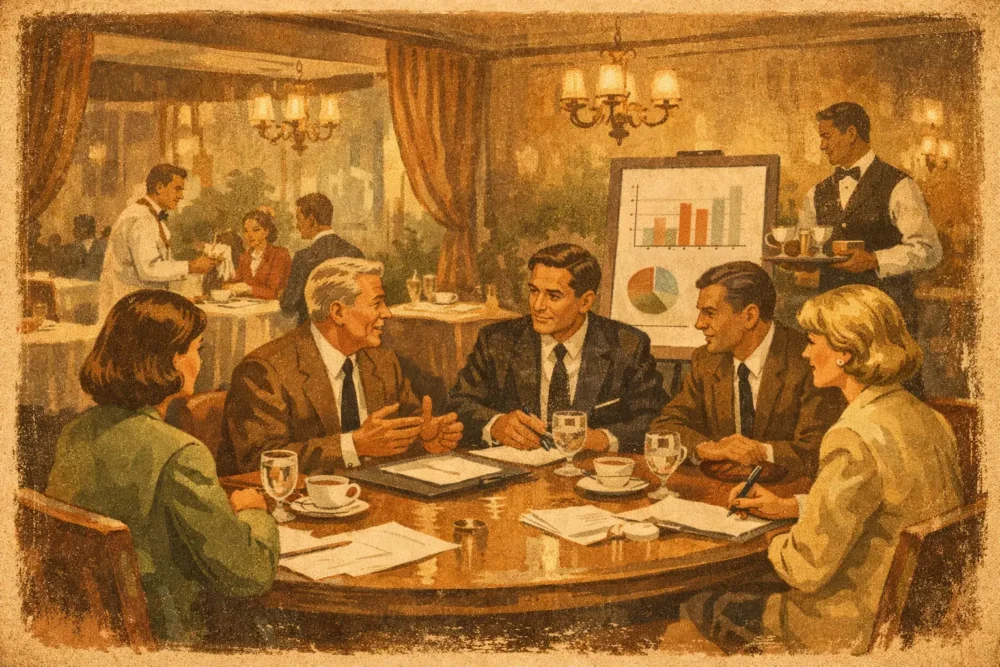
A board meeting does not have to happen under fluorescent lights with a stack of boxed lunches in the corner. When the agenda calls for focused conversation, genuine connection, and a setting that feels more considered than a conference room, a restaurant can be a smart choice. So, can restaurants host board meetings? Absolutely – provided the venue, timing, room setup, and service plan are right for the group.
For Sedona organizations, visiting leadership teams, nonprofit boards, and business owners gathering key decision-makers, the right restaurant setting can set a productive, welcoming tone. A scenic view, a thoughtful meal, and attentive service give people room to arrive, settle in, and engage with the work at hand.
Why Restaurants Can Work for Board Meetings
A restaurant board meeting works best when hospitality supports the purpose of the gathering rather than distracts from it. Shared food has a way of making a room feel less guarded. Board members who may only see one another over video calls can reconnect naturally over coffee before the meeting or a relaxed lunch once the agenda is complete.
There is also a practical advantage. Rather than asking an organizer to coordinate a meeting room, coffee service, water, lunch, and a post-meeting reception through several vendors, a full-service restaurant can bring those pieces together. Guests know where to park, where to check in, and when they will be served. The host gets one experienced team managing the guest experience.
In a place like Sedona, the setting adds another layer of value. Red rock views and the calm of Oak Creek can make an off-site meeting feel intentional, especially for a retreat, annual planning session, donor discussion, or leadership lunch. A beautiful location is not a replacement for a clear agenda, but it can make the day more memorable and encourage people to stay present.
When a Restaurant Is the Right Venue
Restaurants are particularly well suited to small and mid-sized board meetings where conversation is central and the group benefits from a meal together. A breakfast meeting may be ideal for a board that wants to finish before the workday begins. A lunch meeting gives the group more time for discussion, while an afternoon session can transition into cocktails or an award-winning happy hour for a more relaxed close.
The best fit is often a meeting with a defined agenda, a manageable number of attendees, and material that can be discussed without requiring a full-scale conference production. If the group needs printed packets, a presentation screen, private dining, or a particular seating format, those needs should be discussed with the restaurant before a date is selected.
A restaurant may be less appropriate when the conversation involves highly confidential personnel matters, legal strategy, sensitive financial negotiations, or extended presentations requiring constant screen sharing. In those cases, a fully private meeting room may be necessary. The point is not to force every board meeting into a dining setting. It is to choose a setting that matches the purpose and privacy needs of the day.
Privacy Is the First Question
Before choosing a restaurant, ask how private the discussion needs to be. A reserved section can feel comfortable for routine planning, committee meetings, and strategic conversations that do not contain sensitive details. A private event space is a better choice for board votes, confidential reports, or discussions where attendees need to speak freely without concern about nearby diners.
Privacy also means considering sound. A lively dining room can be wonderful for a celebration, but a board chair should not have to compete with lunch service to guide a discussion. Ask whether the space can be closed off, whether background music can be adjusted, and how the restaurant manages nearby seating during your reservation.
Timing Matters More Than Most Hosts Expect
A restaurant is a working business with its own rhythm. Booking during a quieter period can make a major difference in both focus and flexibility. Breakfast, late morning, and midafternoon are often strong options, depending on the restaurant’s hours and event capabilities.
Avoid assuming that a large table during the busiest lunch or dinner rush will function like a private meeting room. It may not. A good venue partner will be candid about which times best support your goals and may recommend a dedicated event space if the group needs more separation from regular service.
How to Plan a Restaurant Board Meeting
The most successful restaurant meetings are planned as gatherings, not simply reservations. Start by sharing the basics with the event team: date, guest count, meeting start and end time, room setup preferences, food and beverage expectations, and any equipment or accessibility needs. The more clearly the restaurant understands the flow of the day, the better it can pace service around your agenda.
If the meeting begins at 9:00 a.m., for example, decide whether coffee and pastries should be ready before guests arrive or served after opening remarks. For a midday meeting, consider whether lunch should be plated at a specific break or available family-style to keep the conversation moving. Neither approach is universally better. Plated meals create a clear pause, while shared service can feel warmer and more informal.
Be specific about dietary needs early. A well-planned menu should make every board member feel included, whether they prefer vegetarian options, need gluten-conscious choices, or have food allergies that require careful attention. Finalizing these details in advance protects the meeting from last-minute confusion and lets guests focus on the discussion rather than the menu.
For groups of four or more planning needs, keep the organizer’s checklist simple:
- Confirm whether the space is private, semi-private, or part of the main dining room.
- Set a realistic arrival time and meeting schedule, including breaks and meal service.
- Choose a menu format that fits the pace of the agenda and the group’s dietary needs.
- Ask about Wi-Fi, presentation needs, table configuration, parking, and accessibility.
- Provide one point of contact who can make decisions on the day of the event.
That final detail matters. When the restaurant team knows who can approve a timing change, add a guest, or adjust the meal plan, service stays smooth and the board chair can stay focused on the meeting.
Create a Setting That Keeps People Engaged
Board meetings need structure, but they do not need to feel stiff. A round or square table often encourages more natural participation than a long arrangement where some attendees sit at a distance from the conversation. If presentations are part of the agenda, make sure everyone has a clear sightline before guests arrive.
It also helps to build the meal into the schedule rather than treating it as an interruption. Start with coffee and a concise welcome. Hold the most discussion-heavy items before lunch, when energy is high. Then use the meal as a chance to continue lighter strategic conversation, welcome new members, or recognize recent accomplishments.
For a board retreat or annual planning day, a restaurant can provide an especially appealing bookend. Meet in a dedicated space, take a short outdoor break, then gather over a chef-driven meal that feels like a genuine thank-you to the people giving their time and expertise. That balance of purpose and enjoyment can make a routine obligation feel more worthwhile.
Choose a Venue That Understands Hospitality
The venue matters as much as the menu. Look for a restaurant that is comfortable hosting groups, communicates clearly before the event, and has a team that understands the difference between a casual group lunch and a meeting with a schedule. The goal is not formal corporate stiffness. It is reliable, considerate service that makes the host look prepared.
At Creekside American Bistro, board groups can pair productive conversation with high country comfort cuisine, handcrafted drinks, and a Sedona setting that gives the gathering a sense of place. For hosts planning a meeting around a meal, the most useful next step is a conversation about the group’s goals, preferred timing, privacy needs, and ideal flow.
A well-chosen restaurant will not make the agenda shorter or the decisions easier. It can, however, make the people around the table feel cared for, comfortable, and ready to contribute – which is often where the best board meetings begin.