

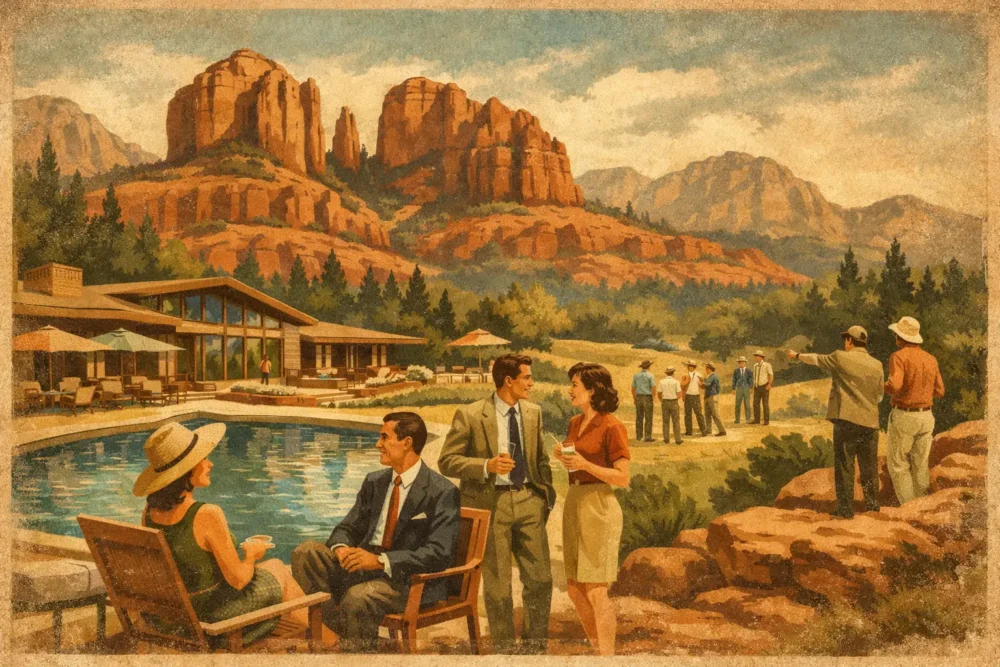
A corporate retreat should not feel like another meeting moved to a different zip code. The best venues for corporate retreats give teams a genuine change of pace: a setting that makes people look up from their screens, spaces that support productive conversation, and food worth gathering around. In Sedona, the red rocks and Oak Creek landscape do much of that work before the first agenda item begins.
For planners, the goal is to balance inspiration with execution. Your group may need privacy for a strategy session, reliable hospitality for a client dinner, and enough flexibility to let colleagues connect without a tightly packed schedule. A beautiful room alone is not the answer. The experience has to feel easy, comfortable, and considered from arrival through the final toast.
What Makes the Best Venues for Corporate Retreats Work
The strongest retreat venues create a clear sense of place while staying practical for the business at hand. In Sedona, that can mean a view of red rock formations outside the window, a shaded patio near Oak Creek, or a private dining room that feels removed from the usual office rhythm. Scenic surroundings are not a substitute for planning, but they do give teams room to think differently.
Start with the purpose of the retreat. Leadership planning sessions often benefit from a quiet, focused setting where presentations and candid conversations can happen without interruption. Team-building weekends may call for a more relaxed environment, with time for shared meals, outdoor activities, and informal conversation. A sales incentive trip has different expectations again: attendees may value a memorable dinner, thoughtful cocktails, and the polished details that make the gathering feel like a reward.
The right venue should fit that purpose rather than forcing your group into a preset format. Ask whether the event team can accommodate your schedule, meal timing, dietary needs, and group size. A venue that is ideal for an intimate executive dinner may not be the right choice for a full-day training program, and a large ballroom can feel impersonal for a group of 12. The best choice is usually the one that makes the logistics feel natural.
A setting people will actually remember
Retreats are often measured by what happens after the formal sessions end. Do people linger over coffee? Do newer colleagues join a conversation they might not have started at the office? Does dinner feel like an obligation, or like the highlight of the day?
Sedona is especially well suited to that in-between time. A morning meeting can be followed by a walk beneath the red rocks. An afternoon workshop can lead into cocktails as the light shifts across the canyon walls. That rhythm gives guests a chance to reset, which can make the work itself more productive.
Still, views should come with comfort. Look for indoor and outdoor options so weather does not dictate the entire experience. In warmer months, shade and timing matter. In cooler seasons, a cozy dining room or heated patio can make the group feel cared for. A good hospitality team anticipates those details rather than leaving the planner to solve them on the spot.
Choose Spaces That Support Both Work and Connection
A retreat agenda usually has two needs that compete with each other: focus and flexibility. Teams need a place to make decisions, share ideas, and hear one another clearly. They also need breathing room. When every conversation takes place around the same conference table, even a meaningful off-site can start to feel routine.
Consider using different spaces throughout the day when the venue allows it. A private room can ground the working session, while a patio lunch or scenic cocktail hour creates a change of energy. That movement helps participants stay engaged without adding unnecessary transportation or coordination.
Before committing, clarify the practical details. Confirm the layout options, privacy level, arrival process, available audiovisual support, and timing for breaks and meals. If your group includes remote presenters or needs screen sharing, test those requirements early. The most photogenic setting cannot rescue an event if the meeting basics are unreliable.
It also helps to think about accessibility and guest comfort beyond the agenda. Are parking and drop-off straightforward? Is there a quiet area for a one-on-one conversation? Can the venue accommodate dietary restrictions without making those guests feel like an afterthought? These considerations communicate respect, and they often determine whether attendees describe the retreat as effortless or frustrating.
Food is part of the strategy
Corporate dining does not need to be stiff to feel elevated. In fact, the best group meals give guests something to talk about besides work. Chef-led comfort cuisine, fresh regional ingredients, and a well-chosen cocktail menu can turn a scheduled meal into a shared experience.
For daytime gatherings, choose food that is satisfying without slowing the room down. A bright, locally minded lunch, good coffee, and thoughtful options for different preferences help maintain momentum. For evening events, consider whether the menu encourages the feeling you want: a relaxed celebration, a polished client dinner, or a lively close to a productive day.
Family-style dishes can create an easy sense of connection for some teams, while plated service may be a better fit for a formal leadership dinner. Neither is automatically better. The decision depends on the group, the occasion, and how much structure the evening needs. What matters is that service feels attentive and the menu gives everyone something to enjoy.
At Creekside American Bistro, groups can pair high country comfort cuisine with Sedona red rock and Oak Creek views, creating an event meal that feels distinctly local without becoming overly formal. A private gathering is stronger when the setting, food, and hospitality all tell the same story.
Build a Sedona Retreat Around the Pace of the Place
One common planning mistake is treating a destination retreat like an office schedule with prettier scenery. Sedona invites a different pace. Leave space between key sessions. Offer an optional early walk, a little time to explore, or an unhurried dinner that lets people settle in. A retreat should have a purpose, but it does not need to fill every hour to be valuable.
This does not mean sacrificing business outcomes. It means being intentional about where the important work belongs. Put the most demanding discussion earlier in the day, when energy is high. Use scenic breaks to prevent meeting fatigue. Reserve the evening for relationship-building, recognition, and the kind of conversation that rarely happens when everyone is watching the clock.
If attendees are traveling from outside Arizona, build in a little generosity around arrival and departure times. A rushed welcome reception can create stress instead of excitement. A relaxed first gathering with excellent food and a warm welcome gives the group a better starting point.
Questions to Ask Before You Book
A thoughtful venue conversation can prevent nearly every avoidable issue. Share your estimated guest count, preferred dates, event goals, schedule, and budget range from the beginning. Then ask how the venue handles private events, menu customization, bar service, weather changes, and last-minute adjustments.
It is also worth asking what the experience looks like from the guest perspective. Where will they arrive? Will they have space to mingle before dinner? How does the team handle special dietary requests? Is the event supported by a dedicated contact who understands the plan? Clear answers are often a better indicator of quality than a generic event package.
For a small leadership group, intimate service and privacy may be the priority. For a larger department gathering, capacity and flow may matter more. There is no single formula for the best venue, but there is a reliable standard: your team should feel welcomed, well fed, and fully present.
The retreat that stays with people is rarely the one with the busiest itinerary. It is the one where the setting made room for better ideas, the meal brought people together, and every guest left feeling that the time away was genuinely well spent.