

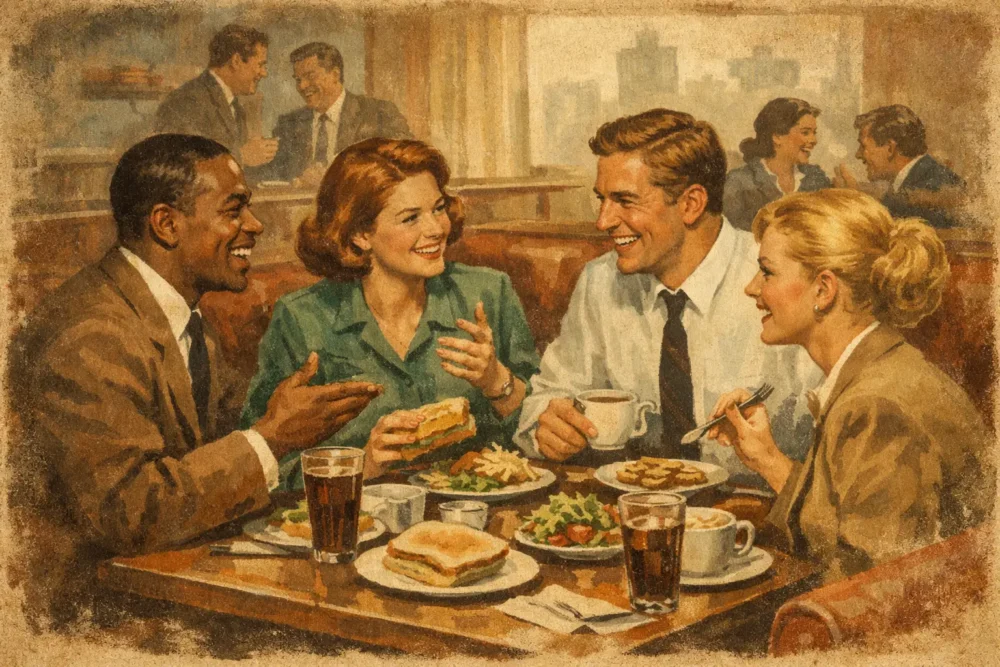
A corporate lunch can look ordinary on the calendar: 12:30 p.m., six colleagues, one hour blocked off. Yet the meals people remember are rarely about simply getting everyone fed. They are the ones where a new hire feels included, a client finally relaxes, a team clears a difficult hurdle, or a manager makes time to say thank you without a screen between them.
The best corporate lunch success stories have a common thread. Someone treated the meal as part of the work, not an interruption from it. Good food matters, but so do the setting, pace, service, and small details that let guests focus on each other.
Why Corporate Lunches Still Matter
Workplaces have changed, but the value of sharing a table has not. Remote schedules, busy travel days, and full inboxes can make face-to-face time feel scarce. A well-planned lunch gives people a reason to slow down, speak more openly, and reconnect without the pressure of a formal meeting room.
For visiting clients, lunch can also shape how they remember a business relationship. A comfortable table, thoughtful hospitality, and a setting that feels distinctive signal care. It does not need to be stiff or overly elaborate. Often, the most effective gathering feels easy: excellent food arrives on time, conversation moves naturally, and everyone leaves feeling looked after.
In Sedona, the surroundings can do some of that work for you. Red rock views and the sound of Oak Creek create a welcome change of pace for local teams and visitors alike. The key is pairing that sense of place with a plan that respects the purpose of the gathering.
Corporate Lunch Success Stories Start With a Clear Purpose
A lunch for a prospective client should not be planned exactly like a lunch for a staff celebration. Both can be enjoyable, but the experience needs a different rhythm.
The client meeting that became a real conversation
Consider a small group meeting with an out-of-town client after a morning of presentations. Rather than rushing through coffee in a conference room, the host schedules lunch with enough time for guests to settle in. The table is comfortable, the menu offers familiar favorites alongside a few regional touches, and no one is asked to make a decision before they have had a moment to breathe.
The success is not necessarily a signed agreement before dessert. It is a shift in the conversation. Guests begin asking questions beyond the slide deck. The host learns what actually matters to them. By the time everyone returns to the afternoon agenda, the relationship is warmer and the next step is clearer.
For this kind of lunch, quieter seating and attentive but unobtrusive service are worth prioritizing. A scenic patio can be memorable, though weather, noise level, and the client’s comfort should guide the choice. The best view is only an advantage if everyone can hear one another.
The team lunch that made recognition feel personal
Recognition lands differently when it is not squeezed into the last five minutes of a meeting. A team lunch is a chance to celebrate a completed project, welcome a new leader, or acknowledge the people who carried a demanding season.
One reliable approach is to keep the agenda light. A manager might offer a brief toast, call out specific contributions, and then let the group enjoy the meal. There is no need to turn lunch into another presentation. In fact, too much structure can make a thank-you feel procedural rather than genuine.
The details matter here. Offering choices for different appetites and dietary needs tells employees that the invitation is meant for everyone. A relaxed setting encourages people from different departments or roles to sit together, which can create connections that do not happen during a typical workday.
The planning lunch that solved a stuck problem
Some of the most useful business meals are working lunches, especially when a team needs fresh thinking. The goal is not to force productivity between bites. It is to create enough space for people to step outside their usual routines.
For a planning session, choose a table with room for notes and a pace that supports discussion. Order timing should be straightforward, and food that is easy to enjoy while talking is often a better fit than an overly formal multi-course experience. A shared starter can help the group ease in; a clear meal plan keeps the conversation from being interrupted by repeated decisions.
There is a trade-off. If the topic is confidential or emotionally charged, a restaurant may not be the right setting. Use a private dining space or save the deeper discussion for the office, then make lunch the place to reconnect afterward.
What Makes a Business Lunch Feel Effortless
Guests notice when an event feels smooth, even if they never see the planning behind it. The host does not need to control every moment, but a few choices can protect the experience from common friction points.
First, be realistic about timing. If guests have only 45 minutes, let the restaurant know in advance and choose a format that can be served efficiently. A two-hour relationship-building lunch has more room for a leisurely cocktail or dessert, but even then, clear expectations help everyone relax.
Second, know the group. Ask about dietary restrictions before the reservation, not when everyone is seated. This is especially helpful for larger groups, where a thoughtful menu approach can keep service flowing while still giving people satisfying options. Elevated comfort cuisine works well because it feels familiar and generous without asking guests to be culinary adventurers during a business conversation.
Third, match the atmosphere to the occasion. A patio lunch with Sedona views can be ideal for welcoming visitors, celebrating a milestone, or giving a local team a well-earned break. For a focused leadership discussion, indoor seating or a private room may offer better control over sound and privacy.
Finally, leave room for hospitality. The strongest hosts do not spend the entire meal checking their phones, apologizing for logistics, or trying to push an agenda. They greet guests warmly, make introductions, and stay present. When the setting has been planned well, the host gets to be part of the lunch instead of managing it.
Turning a Group Meal Into a Memorable Sedona Moment
A destination setting adds a special opportunity and a little more responsibility. Visitors may be experiencing Sedona for the first time, while locals may be looking for a lunch that feels like a welcome break from familiar routines. Either way, the meal should feel connected to the place rather than interchangeable with any restaurant in any city.
At Creekside American Bistro, groups can pair chef-driven high country comfort cuisine with the kind of red rock and creekside scenery that makes a midday gathering feel genuinely restorative. That combination is especially valuable for corporate hosts who want a polished experience without making guests feel confined to a formal event.
Still, scenery should support the lunch, not overshadow it. If the purpose is a client conversation, reserve enough time for guests to appreciate the setting before moving into business. If the goal is employee appreciation, encourage the team to linger a little longer. The difference is subtle, but it helps the day feel intentional rather than scheduled.
A Better Standard for Measuring Success
Not every successful corporate lunch leads directly to a sale, a decision, or an announcement. Sometimes the return is less immediate: a visitor who feels welcomed, a new employee who now knows more than one colleague, or a team that returns to work with a little more energy and trust.
That is why the most meaningful corporate lunch success stories are not really about tables, menus, or views alone. They are about what becomes easier after the meal: a conversation, a collaboration, a next step, or a sense that people are working with one another rather than simply alongside one another.
When planning your next group lunch, give the gathering the same care you would give an important meeting. A good meal can fill an hour. The right setting and genuine hospitality can give that hour a longer life.