

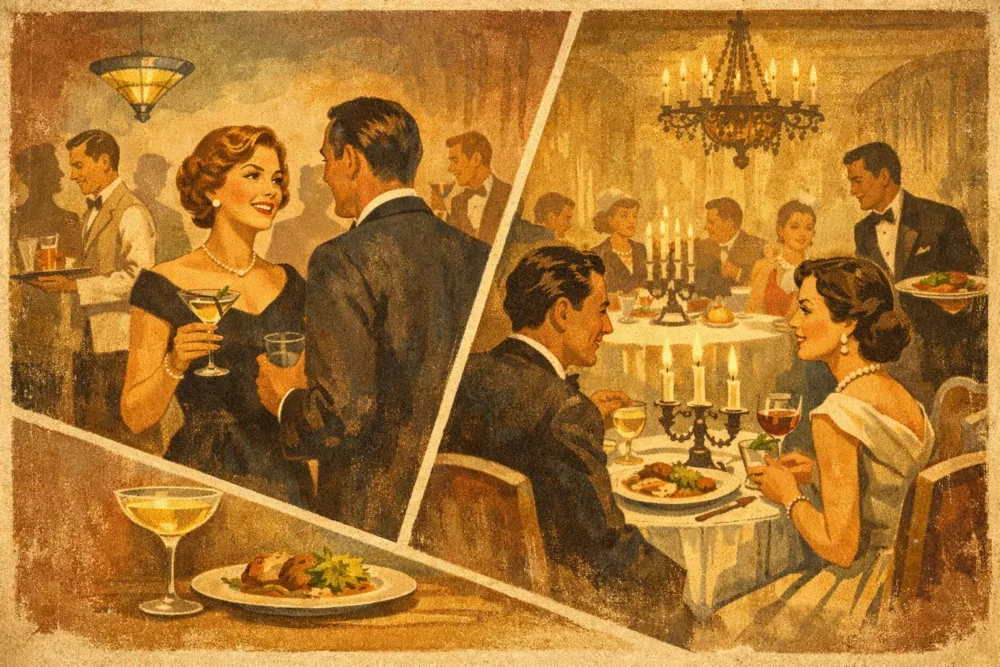
The first toast sets the tone for the whole celebration. Will guests be standing with a handcrafted drink in hand, moving easily between friends and red rock views? Or will they settle into a beautifully set table for a shared, unhurried meal? When deciding between a cocktail reception versus seated dinner, the best choice is less about formality and more about the experience you want your guests to carry home.
Both styles can feel generous, polished, and distinctly Sedona. The right fit comes down to your guest list, your schedule, the occasion, and how you want the room to feel from the moment everyone arrives.
Cocktail Reception Versus Seated Dinner: Start With the Feel
A cocktail reception is social by design. Guests circulate, reconnect, meet new people, and graze on chef-prepared bites at their own pace. The mood is lively and flexible, especially when the setting gives people somewhere worth wandering toward, such as a patio overlooking Oak Creek or Sedona’s red rocks as the light changes.
A seated dinner creates a different kind of warmth. It gives everyone a place at the table, a clear rhythm to the evening, and time to enjoy each course. For a wedding rehearsal dinner, milestone birthday, anniversary, or client gathering where conversation and hospitality are central, that structure can feel especially meaningful.
Neither format is automatically more elegant. A cocktail reception can be elevated with thoughtful passed appetizers, a well-chosen bar menu, attentive service, and lounge-style gathering areas. A seated dinner can remain relaxed with comfort-driven food, a welcoming room, and a pace that feels celebratory rather than stiff. The question is whether your occasion needs movement or moments of stillness.
When a Cocktail Reception Makes Sense
Choose a cocktail reception when you want energy, flexibility, and plenty of mingling. It works beautifully for groups with guests who may not know one another well, because people can naturally form and reform conversations without being assigned to one seat for the evening.
This format also suits events with a shorter timeline. A two-hour welcome party, post-ceremony celebration, retirement gathering, or business reception can feel complete without asking guests to commit to a long, multi-course meal. Instead of waiting for a formal service to begin, the experience starts as soon as guests arrive.
Food is the key to making it feel satisfying. If the reception falls during a traditional meal period, plan enough substantial options that guests are not left wondering when dinner is coming. A balanced spread might include a mix of warm passed bites, a composed display, and heartier selections that offer real substance. Consider dietary needs early, too. Guests who are vegetarian, gluten-sensitive, or managing allergies should have appealing choices, not an afterthought.
Beverages carry more of the storytelling in this setting. A welcome cocktail can create an immediate sense of place, while local beer, wine, zero-proof options, and a focused bar package give guests choice without turning the event into a long line at the bar. The best receptions have a natural flow: a drink, a bite, a conversation, then another view or another introduction.
There are trade-offs. Standing for an entire event can be tiring for older guests, anyone with mobility concerns, or attendees wearing dressier shoes. Even at a cocktail-forward gathering, thoughtful seating matters. A mix of high-top tables, lounge seating, and accessible chairs gives people a place to pause without changing the relaxed character of the event.
When a Seated Dinner Is the Better Choice
A seated dinner is often the strongest option when food is a centerpiece of the occasion. Guests can relax, enjoy a plated meal or family-style service, and feel cared for from the first course through dessert. It is especially well suited to celebrations where hosts want to make a toast, share stories, recognize guests, or create a more intentional sense of togetherness.
For many groups, seating brings welcome ease. Out-of-town relatives, multigenerational families, and colleagues who have spent a full day in meetings may appreciate knowing there is a comfortable place waiting for them. The host also has more control over timing. Speeches can happen between courses, a cake cutting can be planned precisely, and the evening can build toward a clear final moment.
A seated format makes menu planning more focused, but it requires earlier decisions. You will likely need entrée selections, confirmed guest counts, and a clear approach for dietary accommodations. That planning pays off in a meal that feels personal and complete, particularly when it reflects the season and the setting. Think fresh local ingredients, elevated American comfort food, and plates that are satisfying without feeling too heavy for a desert evening.
The trade-off is that seated dinners are less spontaneous. Once guests are placed at tables, people tend to stay within their immediate circle. If your top priority is introducing far-flung guests or encouraging casual networking, consider building in a cocktail hour before dinner so everyone has time to circulate first.
Budget, Timing, and Guest Count Change the Equation
Budget conversations often focus on price per person, but the real comparison is about what is included and how the event will function. Cocktail receptions can sometimes lower food costs because they do not require a full plated entrée for every guest. Yet passed service, premium ingredients, multiple stations, and an extended hosted bar can quickly bring the total up.
A seated dinner may have a more predictable per-person cost, particularly when you choose a limited menu. It also creates a more defined service plan, which can simplify the host’s expectations. On the other hand, formal place settings, additional courses, and longer service windows may require more staffing and time.
Guest count matters, too. A smaller party may find a seated dinner naturally intimate. For a larger group, a reception can make the space feel more open and allow guests to experience the setting rather than staying in one configuration all evening. There is no universal cutoff. Consider how the venue is arranged, how much room guests need to move comfortably, and whether your group includes people who will want regular seating.
Timing can be the deciding factor. A late-afternoon event lends itself to cocktails and lighter fare, especially if guests have dinner plans afterward. An event beginning at 6:30 p.m. sends a different message. At that hour, most people reasonably expect a substantial meal. If you choose a reception during dinner time, be direct in the invitation and generous with the food.
The Best Answer May Be a Cocktail Hour and Dinner
For hosts who want the ease of mingling and the comfort of a meal, a hybrid format is often the sweet spot. Begin with a cocktail hour where guests can take in the scenery, enjoy a signature drink, and sample a few passed bites. Then invite everyone to dinner for a more grounded, shared experience.
This approach works particularly well for weddings, rehearsal dinners, celebratory fundraisers, and corporate groups. Guests get the freedom to connect before the meal, while the host still provides the hospitality and comfort of a seat at the table. It also gives photographers, speakers, and event coordinators a natural timeline without making the evening feel overly programmed.
At Creekside American Bistro, a gathering can lean into that balance: a scenic welcome, handcrafted cocktails, chef-driven comfort cuisine, and service that helps guests feel looked after rather than managed. A well-planned event should feel like an invitation to enjoy Sedona, not a schedule to follow.
Questions Worth Asking Before You Decide
Picture your guests arriving. Are they likely to be eager to catch up, meet new people, and move around the room? A cocktail reception may be the natural answer. Are they traveling, celebrating a major milestone, or coming together across generations? A seated dinner may offer the comfort and connection they will appreciate most.
Also consider what you most want to remember. If it is the hum of conversation, clinking glasses, and a crowd gathered against a beautiful view, choose a reception built for movement. If it is hearing everyone laugh around the table, lingering over a memorable meal, and raising a glass together at the same moment, make room for dinner.
The most welcoming events are not defined by whether every guest is standing or seated. They are defined by thoughtful food, easy hospitality, and a setting that gives people a reason to stay a little longer.