

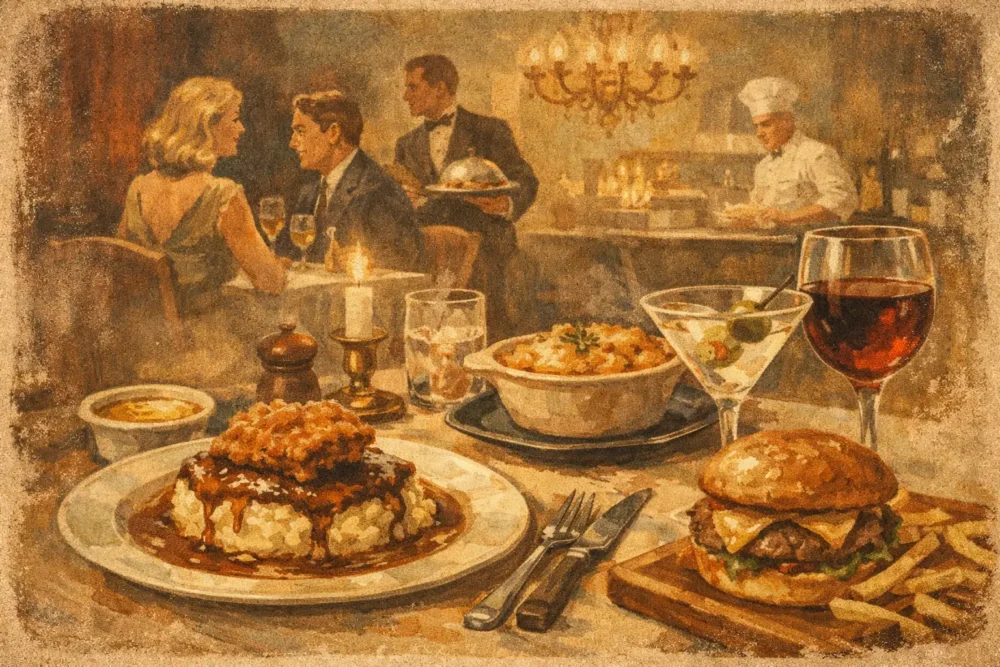
Some meals fill you up. Others make you want to stay for another round, order dessert you did not plan on, and watch the light shift over the landscape a little longer. That is the sweet spot this guide to elevated comfort food dining is really about – food that feels familiar and satisfying, but arrives with enough care, flavor, and atmosphere to turn a simple meal into part of the occasion.
In a place like Sedona, that difference matters. Visitors are not just looking for somewhere to eat between hikes and gallery stops, and locals are not interested in a meal that feels forgettable. They want warmth without stuffiness, quality without pretense, and a setting that feels worthy of the day. Elevated comfort food dining works so well because it delivers exactly that balance.
What elevated comfort food dining actually means
At its best, elevated comfort food dining takes the dishes people already love and prepares them with more intention. The portions still feel generous. The flavors still feel grounding and familiar. But the ingredients are fresher, the presentation is more polished, and the menu reflects a chef’s point of view instead of relying on the expected.
That might mean a brunch plate built with local produce, a rich dinner entree with refined technique behind it, or a cocktail program that feels as considered as the kitchen. The goal is not to make comfort food fancy for its own sake. The goal is to make it better while keeping it welcoming.
That distinction is important. If a restaurant leans too far into formality, comfort gets lost. If it stays too casual, the meal may feel pleasant but not memorable. Great elevated comfort food dining lives right in the middle. It feels relaxed enough for a spontaneous lunch and polished enough for date night, family visits, or drinks that turn into dinner.
A guide to elevated comfort food dining starts with setting
Food matters first, but atmosphere shapes how a meal is remembered. A great view, thoughtful service, and a room that feels comfortable from the moment you arrive can turn even a simple dish into a standout experience.
In Sedona, setting is part of the meal. Red rock views, creekside surroundings, and patio seating create a sense of place that visitors remember long after the trip ends. For locals, those same details make an ordinary Tuesday lunch or happy hour feel less routine. When the environment reflects the region, elevated comfort food dining feels more complete because it is tied to where you are, not just what is on the plate.
There is a practical side to this too. A scenic patio may sound ideal, but season, time of day, and who you are dining with all matter. A couple may want sunset and cocktails. A family may care more about space, flexibility, and a menu with broad appeal. A dog owner may be looking for pet-friendly seating that does not feel like an afterthought. The best restaurants accommodate all of it without making any guest feel like they are asking for too much.
The menu should feel familiar and surprising
One of the clearest signs of elevated comfort food dining is a menu that gives guests both reassurance and discovery. People want dishes they recognize, but they also want enough originality to justify choosing that restaurant over any other.
This is where chef-driven cooking makes a difference. A chef-led menu often takes classic American comfort fare and adds seasonal ingredients, regional influence, or smarter balance. Rich dishes are lifted with freshness. Brunch favorites gain more texture and flavor. Dinner plates feel hearty without becoming heavy. Even sides and sauces can signal the difference between standard and thoughtfully prepared.
Seasonality matters here as well. Comfort food does not have to mean the exact same experience year-round. In cooler months, guests may gravitate toward deeper flavors and richer plates. In warmer weather, they may want the same sense of satisfaction with a lighter touch. A seasonal menu keeps comfort food relevant to the moment while still preserving what people came for in the first place.
Service is part of the comfort
A polished dining room does not feel elevated if the hospitality misses the mark. Service is one of the biggest reasons guests describe a restaurant as warm, reliable, and worth returning to.
The ideal approach is attentive without hovering. Guests should feel looked after, whether they are celebrating something special or just stopping in for a relaxed meal. That means a staff that can guide someone toward a cocktail, suggest a patio table when the weather is right, and handle dietary needs or group logistics with ease.
This is often where approachable restaurants win. Fine dining can sometimes make guests feel like they need to perform. Elevated comfort food dining should do the opposite. It should make the experience feel easy. That ease is not accidental. It comes from a hospitality culture that treats accommodation as part of quality, not an extra feature.
Drinks deserve the same attention as the food
A strong bar program changes the pace and personality of a meal. It invites guests to arrive a little earlier, linger a little longer, and treat the outing as more than a quick stop.
Cocktails work especially well in the comfort food space because they add contrast. Rich, savory dishes pair beautifully with fresh, balanced drinks. A crisp cocktail before brunch, a well-made margarita at lunch, or a thoughtfully built happy hour menu can round out the experience in a way that feels celebratory but still approachable.
If you are choosing a restaurant for elevated comfort food dining, do not overlook happy hour. It is often one of the clearest expressions of a restaurant’s personality. When the drinks are crafted with care and the food menu still feels generous and satisfying, guests get an easy entry point into the full experience. That is one reason award-winning happy hour programs tend to build loyal local followings.
Why elevated comfort food works for more than special occasions
There is a reason this style of dining fits so many moments. It is flexible.
A casual breakfast can still feel polished. Brunch with friends can feel festive without becoming formal. Dinner can work for anniversaries, visiting family, or a weekday reset after work. The menu has enough range to satisfy different appetites and preferences, and the atmosphere feels special without asking guests to dress up their expectations along with their outfits.
That versatility matters for groups too. Not every restaurant can comfortably host couples, families, travelers, and small private gatherings without losing its identity. Elevated comfort food dining can, because the core appeal is broad. People may come for different reasons, but they are all looking for some version of the same thing – a meal that feels good, tastes excellent, and gives them a reason to settle in.
In Sedona, that makes this category especially appealing. Visitors want a memorable setting and a reliable meal. Locals want consistency and enough quality to make returning feel rewarding. Event hosts want a venue that can impress guests without feeling stiff. A place that does all three stands out.
A guide to elevated comfort food dining in Sedona
If you are deciding where to go, start with a few simple questions. Does the restaurant feel rooted in Sedona, or could it be anywhere? Does the menu balance crowd-pleasing favorites with chef-driven touches? Are the cocktails, patio, and service part of the draw, or just extras? And most importantly, does the whole experience sound enjoyable for the people you are bringing with you?
The best answer is usually the place that makes quality feel easy. That might mean brunch with red rock views, a dog-friendly patio that still feels polished, a happy hour with local credibility, or a dinner menu built around high country comfort cuisine. At Creekside American Bistro, that combination of scenic setting, chef-led cooking, approachable hospitality, and all-day flexibility is exactly what keeps guests coming back.
There are always trade-offs, of course. A lively patio may be less quiet than an intimate dining room. A chef-driven seasonal menu may mean a favorite dish is not always available. A popular happy hour may require a little planning. Usually, those are good trade-offs. They are signs that the restaurant is alive to its setting, its ingredients, and its guests.
When comfort food is done well, it gives people what they were hoping for. When it is elevated, it gives them a little more than they expected. That is often the difference between grabbing a meal and remembering exactly where you were when the plate hit the table, the cocktails arrived, and Sedona started to glow.