

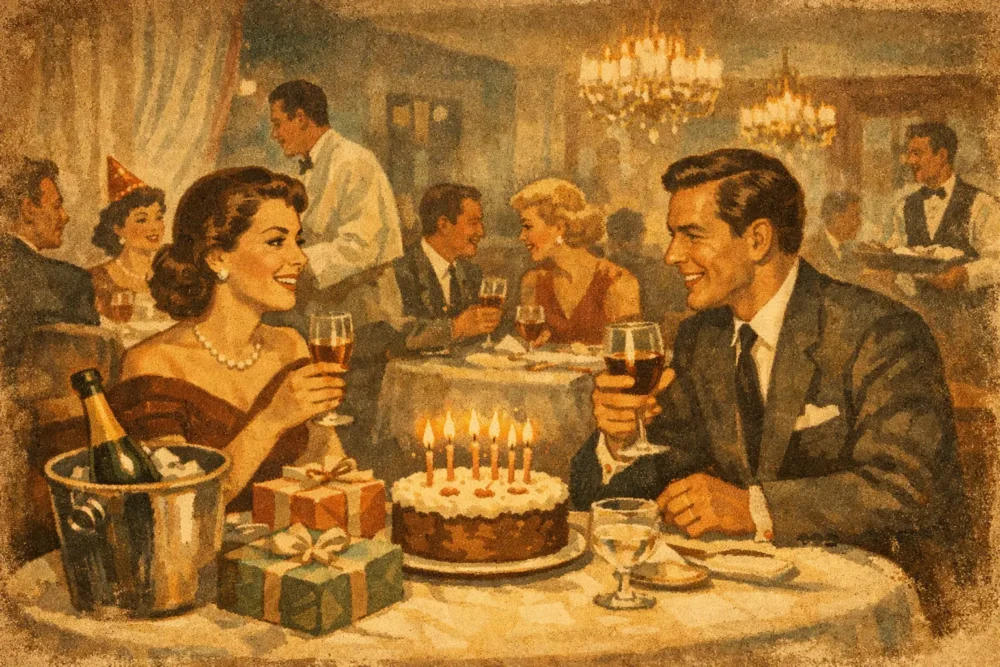
A birthday dinner can feel effortless for guests and still take real planning behind the scenes. If you are wondering how to host a birthday dinner at restaurant, the best approach is to think beyond simply booking a table. The strongest celebrations come from matching the group, the mood, and the menu to a setting that makes everyone feel taken care of from the first toast to the last dessert bite.
Start with the kind of evening you want
Before you compare restaurants or send invitations, get clear on what the dinner is supposed to feel like. A birthday for eight close friends is very different from a multi-generational family gathering, and both require a different kind of restaurant experience. Some groups want cocktails, conversation, and a lively room. Others want a more relaxed dinner with scenic views, comfortable seating, and enough space to actually hear each other talk.
That first decision shapes everything else, including your budget, reservation time, food choices, and even the right table setup. If the goal is connection, avoid booking a spot that turns too loud after sunset. If the goal is festive energy, a quiet dining room may feel flat. The restaurant should support the occasion instead of forcing the evening into a format that does not fit.
How to host a birthday dinner at restaurant without last-minute stress
The easiest birthday dinners usually look simple because the host handled the important details early. Start with your guest count, but keep it realistic. A tentative list of 18 can quickly become 11 or 23, and that matters when a restaurant is trying to place your party comfortably.
Once you have a likely headcount, contact the restaurant sooner than you think you need to. For a small group, a standard reservation may be enough. For larger parties, it helps to ask whether the restaurant offers group dining options, private or semi-private spaces, preset menus, or beverage packages. That one conversation can save you from trying to coordinate split checks, dietary changes, and seating issues on the day of the dinner.
Timing matters too. A birthday dinner at 5:30 feels different from one at 8:00. Earlier reservations tend to be easier for families, older relatives, and anyone traveling from out of town. Later times can work better for groups who want a slower, more social evening with drinks and dessert. There is no universally right choice. It depends on who is coming and how long you want the celebration to last.
Ask the practical questions early
A good host is not demanding. A good host is prepared. When you speak with the restaurant, ask what they need from you to make the night run smoothly. Find out whether the final guest count is due in advance, whether the whole party must arrive before seating, and whether decorations or a cake from outside are allowed. Some restaurants are happy to help with special touches, while others keep things simpler to protect service flow.
It is also smart to ask about payment options ahead of time. For a smaller birthday dinner, one check may be easy. For a bigger group, splitting the bill can slow the end of the meal if there is no plan. Some hosts cover everything. Others pay for appetizers and dessert while guests order their own entrées and drinks. Neither approach is wrong, but confusion at the table can shift the mood quickly.
Choose a restaurant that does more than serve food
People remember birthday dinners for the atmosphere as much as the meal. The room, the view, the pace of service, and the overall warmth all shape whether the evening feels special. That is why the best birthday dinner restaurants are not always the trendiest ones. They are the places that understand hospitality and can make a group feel both celebrated and comfortable.
A scenic setting can help right away. In a destination like Sedona, for example, a restaurant with red rock views, a welcoming patio, and polished but approachable service creates a stronger sense of occasion without making the dinner feel stiff. Creekside American Bistro is a good example of that balance – elevated comfort cuisine, handcrafted cocktails, and a setting that gives guests something to enjoy before the first course even arrives.
Menu flexibility matters just as much. A birthday group often includes different appetites, ages, and preferences. A restaurant with a chef-driven but approachable menu usually works better than one that is too narrow or too formal. You want a place where one guest can order a celebratory cocktail and another can keep it simple, where adventurous diners and comfort-food lovers can both leave happy.
Make guests feel informed before they arrive
One of the most underrated hosting moves is sending a clear, friendly message before dinner. Guests should know the reservation time, where to park, how formal the evening will be, and whether they should expect to pay for their own meals. When people know what to expect, they arrive relaxed.
Keep it simple and specific. If the restaurant is in a busy area, mention that. If the dinner is on a patio with cooler evening temperatures, say so. If you are planning to order dessert for the table, guests do not need to guess whether the night ends after entrées. Thoughtful communication is part of hospitality, even when you are not the one serving the meal.
Think through the seating dynamic
Not every birthday dinner needs a private room, but every birthday dinner benefits from intentional seating. If there are guests who have never met, try to avoid clustering all the friends at one end and all the family at the other. Mix the table so conversation can move naturally.
If there is an older guest, someone with mobility concerns, or a child in the group, mention it in advance. Restaurants can often make accommodations more easily before arrival than after everyone is standing in the host area. The same goes for guests bringing a dog to a pet-friendly patio. A quick heads-up allows the team to seat everyone more comfortably.
Plan the food and drink experience, not just the reservation
Hosts often focus on getting the table booked and forget that the meal itself sets the pace of the night. If your group is large, ask whether preselecting some starters helps service move more smoothly. Shared appetizers give guests something to enjoy right away and create a more celebratory feel than waiting for individual orders to arrive.
Drinks deserve the same thought. A handcrafted cocktail to start can instantly signal that the evening is special, but not every guest will want alcohol. A well-rounded beverage program matters because it gives everyone a way to participate in the occasion. If the restaurant is known for happy hour, seasonal cocktails, or local ingredients, that can add personality to the dinner without any extra planning on your part.
Dessert is where many hosts hesitate. Some want to bring a cake. Others prefer the restaurant to handle it. Both options can work, but ask what is easiest for the team. In many cases, ordering dessert in-house creates a smoother experience and lets the staff time the finale properly. If you are bringing a cake, confirm any fees, plating policies, and storage details in advance.
Keep the birthday person at the center
A successful birthday dinner does not mean controlling every minute. It means protecting the parts of the night that matter most to the guest of honor. For some people, that means a toast and a favorite dessert. For others, it means no singing, no speeches, and no big production.
This is where a little subtlety goes a long way. Let the restaurant know it is a birthday, but also let them know the vibe. Some guests love visible celebration. Others prefer something more understated and elegant. The best restaurants can adjust, but only if they understand what you want.
Know when to scale up
If the dinner is growing beyond a standard reservation, treat it like an event. Once your group gets large enough, private dining or a dedicated event space often becomes easier than trying to fit everyone into the regular dining room. It may cost more, but it can also create a better experience with more flexibility around seating, service, and timing.
This is especially true if you want speeches, décor, a custom menu, or a longer evening. A full-service restaurant with event capabilities can help you create something polished without losing the warmth that makes a birthday dinner enjoyable in the first place.
Leave room for the evening to breathe
The best birthday dinners are planned, but they do not feel overplanned. Guests should have time to settle in, enjoy the setting, and linger over conversation. That usually means resisting the urge to stack too many expectations onto one meal. You do not need party favors, a packed schedule, and three surprise moments to make dinner memorable.
What people tend to remember is simpler than that. They remember being welcomed well. They remember a beautiful table, a favorite dish, a good drink, a view worth pausing for, and the sense that the night felt easy. If you can give your guests that, you have already done the most important part of hosting.
A birthday dinner at a restaurant works best when the setting carries some of the celebration for you. Choose a place with genuine hospitality, communicate clearly, and focus on comfort as much as style. When the restaurant knows how to take care of people, you get to spend less time managing details and more time enjoying the reason everyone came together.