

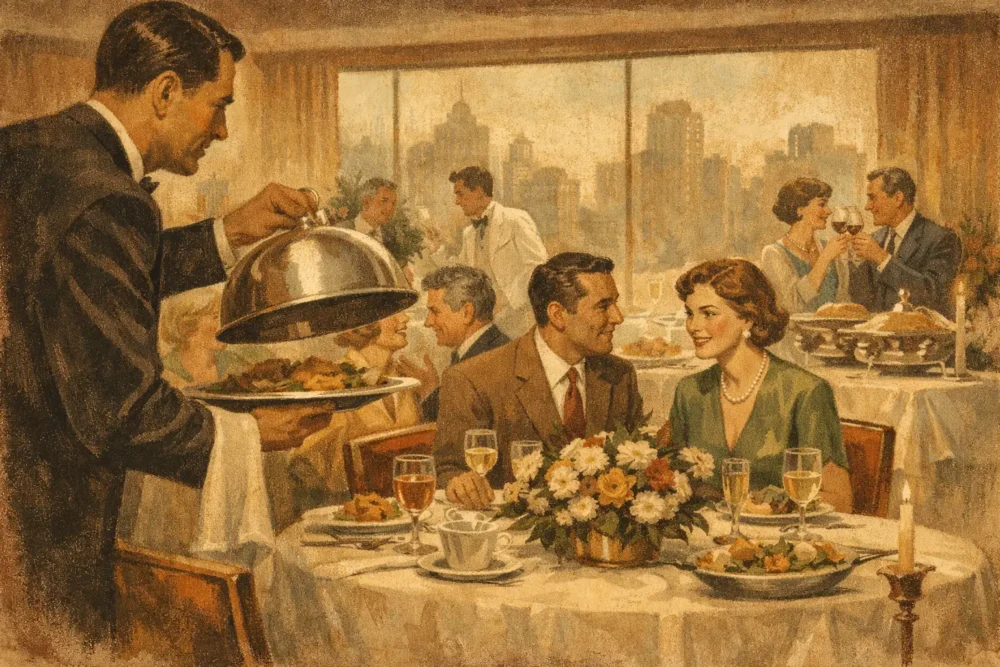
A corporate lunch should never feel like a meeting that happened to include sandwiches. When you know how to host corporate luncheons with care, the meal becomes a useful pause in the workday: a chance to welcome a client, recognize a team, build rapport, or bring a visiting group into the character of Sedona. The details that guests remember are often simple – a table that is ready when they arrive, food with real personality, an easy pace, and a setting that gives everyone room to breathe.
For local businesses, retreat organizers, and teams traveling to the red rocks, the goal is not to make lunch overly formal. It is to make every person feel anticipated. That calls for clear planning behind the scenes and a warm, relaxed experience at the table.
Start With the Purpose, Not the Headcount
Before selecting a date or menu, decide what the luncheon needs to accomplish. A working lunch for 10 department leaders has different needs than a client appreciation gathering, an employee recognition meal, or a welcome lunch for an executive retreat. The purpose shapes everything from seating and service timing to whether a brief presentation belongs on the agenda.
Ask what guests should feel when they leave. Energized before an afternoon session? Appreciated after a demanding season? Better acquainted with your company and one another? A clear answer helps prevent a common mistake: adding too many elements to a meal that should have been simple and enjoyable.
Headcount matters, but it is only one part of the picture. Confirm the final guest count several days ahead, then share realistic expectations about late additions or last-minute changes. If a few guests are arriving from separate hotels or meetings, build in a comfortable arrival window instead of scheduling the first course for the exact start time.
Choose a Setting That Does Some of the Hosting for You
The right room lowers the pressure on the organizer. Look for a venue that fits the size and energy of your group, with a layout that supports conversation rather than forcing guests to compete with a crowded dining room or distant tables.
For a smaller group, one long table can create an intimate, collaborative feel. For a larger gathering, several round tables often make conversation easier and give service staff clear access. If business discussion is central to the event, ask about the availability of a private or semi-private space, along with screens, microphones, Wi-Fi, and power access when needed.
Atmosphere is not a decorative extra. A scenic setting can turn a routine agenda item into a genuine welcome, especially for out-of-town guests. In Sedona, views of Oak Creek and the red rocks offer a natural sense of place without asking anyone to sacrifice comfort or focus. At Creekside American Bistro, private gatherings can pair that memorable backdrop with polished service and high country comfort cuisine that feels special without feeling stiff.
Be thoughtful about noise, temperature, and accessibility, too. A patio luncheon can be lovely in pleasant weather, but a backup plan is essential during heat, wind, or rain. Confirm accessible entry, seating needs, and any mobility considerations before invitations go out. Good hosting is often invisible because guests never have to ask for what they need.
Build a Menu That Works for a Real Workday
The best corporate lunch menus balance flavor with pace. Guests want something satisfying, but no one wants a meal that leaves the group sleepy, rushed, or unsure what they can eat. A chef-driven menu with familiar, well-executed options is often more effective than a long list of complicated choices.
For a shorter lunch, consider a preselected entrée with one or two options collected in advance. This keeps service moving and makes it easier to protect time for introductions or discussion. For a more social event, a family-style or shared-plate approach can encourage conversation, provided the group is comfortable with it and the food suits the occasion.
Dietary needs deserve early attention, not an awkward question at the table. Include a place for guests to share allergies and preferences when they RSVP, then give the venue a clear, consolidated list. Vegetarian, vegan, gluten-sensitive, dairy-free, and allergy-aware options should feel like part of the meal, not an afterthought brought out after everyone else has been served.
A well-rounded menu usually includes a fresh beginning, a satisfying main course, and a light finish or dessert that does not slow down the afternoon. Seasonal ingredients are especially helpful because they bring color and local character to the table. Comfort food has a place here, too, when it is prepared with polish: nourishing salads, thoughtfully composed grain bowls, fresh seafood, grilled proteins, and familiar favorites made memorable.
Beverage planning depends on the purpose and company culture. Iced tea, coffee, sparkling water, and refreshing nonalcoholic choices are an easy foundation. If cocktails or wine are appropriate, offer them as an optional addition rather than the center of the experience. A hosted first drink can feel generous; an open-ended bar during a working lunch may not fit the tone or timeline.
Give the Lunch a Rhythm
Even a beautiful meal needs a simple run of show. Corporate luncheons go best when guests know what to expect, while still having enough unstructured time to connect. Share the plan with the venue so service supports the conversation instead of interrupting it.
A practical flow is arrival and welcome, beverages and introductions, the meal, then any remarks or presentation once plates are cleared or during dessert. If the event includes a speaker, keep formal remarks focused. A lunch audience is more receptive to a thoughtful five-minute welcome than a 25-minute presentation between courses.
Consider the pace of the group. A 60-minute lunch calls for a highly coordinated menu and minimal program. A 90-minute or two-hour gathering gives more space for networking, a short recognition moment, or a meaningful client conversation. The trade-off is straightforward: the more programming you add, the more structure the meal needs. If relationship building is the true goal, leave room for guests to talk.
Place cards can be helpful when leaders want to mix departments, introduce clients to the right team members, or keep a large group organized. For a casual team celebration, they may be unnecessary. Use them when seating has a purpose, not simply because the event feels corporate.
Communicate Like a Considerate Host
A clear invitation is a courtesy to busy guests. Include the date, start and end time, location, parking or arrival guidance, dress expectations if relevant, and an RSVP deadline. If the gathering is at a destination-style venue, mention the setting. Guests will appreciate knowing whether they can expect patio time, scenic photos, or a little walking.
The same care applies to your venue contact. Provide the event name, on-site host’s phone number, timing, seating preferences, dietary notes, and billing instructions in one organized message. Confirm who can approve day-of additions and what charges, such as bar orders or audiovisual needs, are hosted by the company.
On the day of the event, arrive early enough to greet the manager, check the table setup, and review the schedule. You do not need to micromanage service. You do need to be available to make small decisions quickly, welcome guests as they arrive, and keep the tone easy.
Make Space for Genuine Hospitality
The strongest corporate luncheons are not remembered for the spreadsheet that organized them. They are remembered for how smoothly people were welcomed, how good the food tasted, and how naturally the conversation unfolded. Thank your guests before they leave, and follow up afterward when a client relationship, team milestone, or future gathering deserves another touchpoint.
A little thoughtful preparation gives everyone permission to enjoy the table. Choose a setting with warmth, plan food that accommodates the group, and protect enough time for people to connect. That is how a corporate lunch becomes more than time on a calendar – it becomes a feel-good part of the workday.