

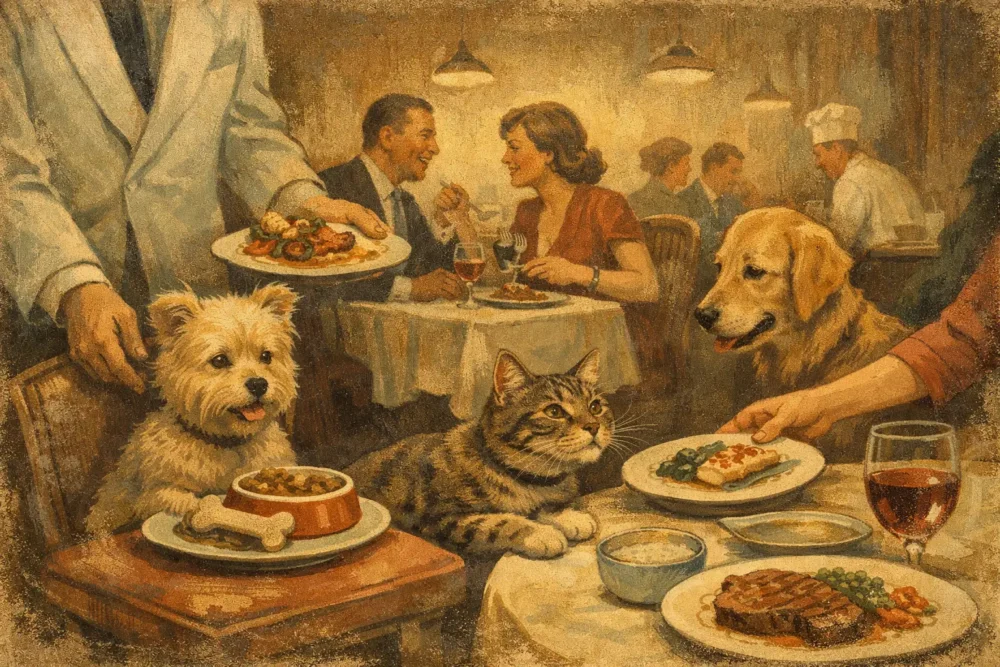
A water bowl by the table used to be enough. Now, for many diners traveling with dogs or heading out with a local favorite in tow, a thoughtful pet menu at restaurants says something bigger – you’re welcome here, and so is your companion. That small gesture can turn a patio meal into a memorable part of the day, especially in a place like Sedona where outdoor living, scenic views, and pet-friendly travel naturally go together.
Restaurants have noticed the shift. Guests are not only searching for dog-friendly patios. They are also looking for places that understand the full experience, from shaded seating and attentive service to a simple meal made with pets in mind. When done well, a pet menu feels less like a novelty and more like an extension of real hospitality.
What a pet menu at restaurants really signals
At its best, a pet menu is not about treating dogs like people. It is about recognizing how people actually dine. Many guests plan their day around where they can bring the dog after a hike, during a weekend drive, or while visiting town. If a restaurant makes that easy, it removes friction and creates a more relaxed experience from the start.
That matters because hospitality is often measured in details. Clean patio spaces, fresh water, staff who are comfortable greeting four-legged guests, and a few pet-safe food options all tell guests the restaurant has thought things through. For dog owners, that kind of preparation feels reassuring. For everyone else on the patio, it usually means the atmosphere stays more orderly and enjoyable.
There is also an emotional side to it. Dining out is often tied to leisure, celebration, and travel. When guests do not have to leave a pet behind, the meal feels more inclusive and more memorable. A pet menu helps restaurants meet people where they are instead of asking them to split the experience in half.
Why guests notice the difference
Not every dog-friendly restaurant creates the same impression. Some allow pets outside, but the experience ends there. Others build pet-friendly dining into the service style, and guests can feel it right away.
A dedicated pet menu at restaurants often stands out because it communicates intention. It shows the patio is not pet-tolerant by accident. It was designed to accommodate real guests with real needs. That distinction matters, especially in destination towns where visitors are comparing options quickly and choosing the place that feels easiest, warmest, and most complete.
For locals, the value can be even stronger. A reliable dog-friendly patio becomes part of a routine. It is where you meet friends for brunch, stop for lunch after a walk, or settle in for cocktails with a view while your dog rests beside the table. Consistency builds trust, and trust brings people back.
What belongs on a pet menu
A good pet menu should be simple, safe, and clearly appropriate for dogs. This is one area where more is not always better. Guests usually are not looking for an elaborate culinary production for their pet. They are looking for a few thoughtful choices that feel intentional and easy to order.
Plain grilled proteins, unseasoned items, or dog-friendly combinations built from recognizable ingredients tend to work best. The goal is comfort and practicality. Staff should be able to explain what is in each item with confidence, and the kitchen should be able to prepare it consistently without disrupting service for the main dining room.
There is a trade-off here. If a pet menu becomes too complicated, it can create confusion for guests and unnecessary strain for the kitchen. If it is too limited or vague, it may feel like an afterthought. The sweet spot is a short menu that is clear, appealing, and compatible with the restaurant’s pace and standards.
Presentation matters too. A dedicated section or separate dog menu makes the experience feel polished. Even simple offerings carry more weight when they are presented with care.
Safety should always come first
This is where restaurants need to be practical. Dogs have different sensitivities, sizes, and dietary needs, so pet menus should stay straightforward and avoid ingredients that commonly cause problems. Seasonings, rich sauces, onions, and other inappropriate ingredients have no place here.
It also helps when staff encourage owners to use their judgment. Some dogs can enjoy a small treat while relaxing under the table. Others may do better with just water and a quiet place to settle in. The best pet-friendly service is accommodating without pretending every pet should eat the same way.
The business case is stronger than it looks
From the outside, a pet menu may seem like a charming extra. In practice, it can support stronger guest loyalty, better word of mouth, and a more distinctive brand experience.
People remember places that make them feel considered. If a restaurant welcomes the whole group, including the dog, guests are more likely to choose it again the next time they want patio seating or a relaxed meal with views. They are also more likely to recommend it to friends, visiting family, and fellow travelers.
That recommendation effect is especially valuable in tourism-driven markets. Visitors often ask a version of the same question: where can we get a great meal and bring our dog? A restaurant that answers that clearly has a real advantage.
There is also a practical revenue upside. Guests who might have skipped dining out altogether may stay for another round of drinks, dessert, or a longer lunch if the setting works comfortably for everyone. That does not mean every pet-friendly table turns into a bigger check, but it does mean the restaurant is capturing occasions that might otherwise go elsewhere.
Why the setting matters as much as the menu
A pet menu on its own is not enough. The surrounding experience has to support it. Patio comfort, shade, spacing between tables, and attentive service all shape whether the meal feels relaxed or stressful.
In scenic destinations, this becomes part of the appeal. Guests want the sense that they can settle in, enjoy the landscape, and stay awhile. A dog-friendly patio with beautiful views, fresh air, and a polished but approachable atmosphere feels different from a cramped outdoor corner with a single water bowl.
That is why the strongest pet-friendly restaurants usually think beyond the menu itself. They create an environment where guests can enjoy quality food and drinks without feeling like they are choosing between a good meal and bringing the dog along.
For a restaurant like Creekside American Bistro, that approach fits naturally. Scenic patio dining, warm hospitality, and a dedicated dog menu are not separate features. They work together to create the kind of feel-good Sedona experience guests actually remember.
Pet-friendly does not mean casual in the wrong way
One common misconception is that welcoming dogs means lowering the tone of the dining experience. In reality, the opposite is often true. The best dog-friendly restaurants are usually the ones that manage hospitality with confidence. They know how to keep service warm, spaces comfortable, and expectations clear.
Guests still want quality. They want well-prepared food, attentive pacing, inviting cocktails, and a patio that feels polished. Bringing a dog does not change that. If anything, it raises the standard because the restaurant is balancing more moving parts while still making the meal feel easy.
That balance is what sets thoughtful pet-friendly dining apart. It is not about gimmicks. It is about creating an atmosphere where comfort and quality can coexist.
What diners should look for
If you are choosing a restaurant with your dog in mind, look beyond the phrase dog-friendly. Ask whether there is truly outdoor seating designed for pets, whether water is offered promptly, and whether the menu includes safe options if you plan to order for your companion. A pet menu at restaurants is most meaningful when it is backed by staff awareness and a setting that supports the experience.
It also helps to consider your own dog’s temperament. Some pets love a lively patio and settle in easily. Others may prefer a quieter visit at an off-peak time. The best outing is one that works for both the table and the dog.
A restaurant does not need to do everything for everyone. It just needs to make guests feel welcome in a way that is genuine, comfortable, and consistent. When that happens, a pet menu becomes more than a nice touch. It becomes part of what makes a place worth returning to, especially when good food, fresh air, and a memorable view are already part of the plan.
For diners who want the day to include both a great meal and the company they came with, that kind of hospitality is never a small thing.