

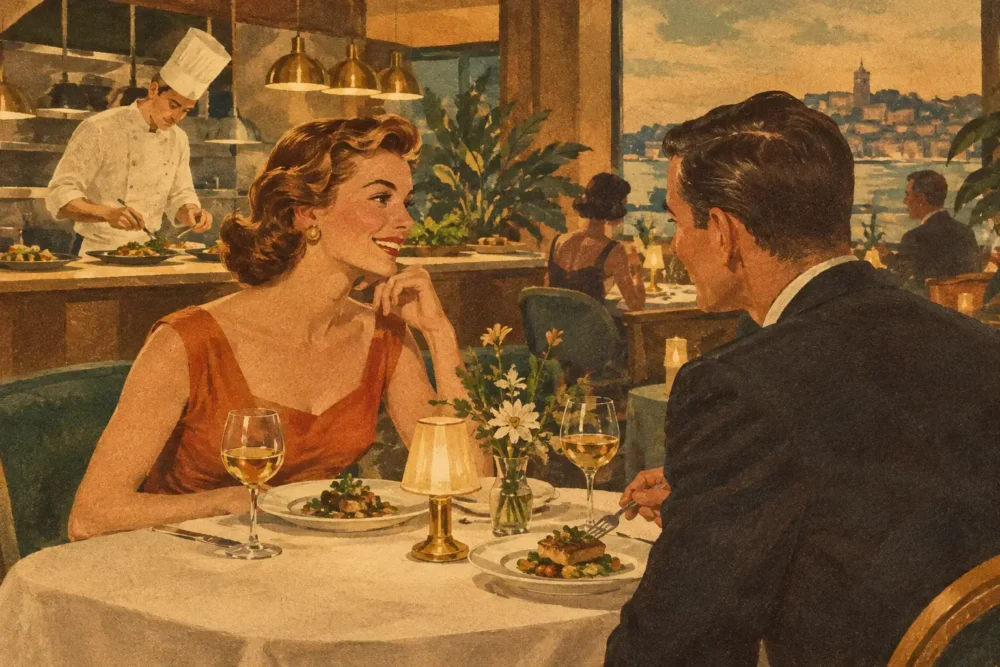
A memorable restaurant meal is no longer defined by the plate alone. The restaurant trends guests are responding to most warmly make room for the full occasion: the first cocktail, the view from the patio, the comfort of being well looked after, and the feeling that there is nowhere else they would rather be. In a place as naturally striking as Sedona, that expectation is especially clear. Diners want great food, certainly, but they also want their time at the table to feel like part of the trip.
Restaurant Trends Are Becoming More Personal
For years, dining trends often focused on what was new: a buzzy ingredient, a dramatic presentation, a menu built around novelty. Those moments still have their place, but guests are increasingly choosing restaurants that feel genuine rather than performative. They want food made with care, service that reads the room, and spaces with a clear sense of place.
That shift is good news for American bistros and neighborhood gathering spots. A perfectly prepared burger, a seasonal entrée, or a generous brunch can feel elevated without becoming precious. The difference is in the details: ripe ingredients, a thoughtful garnish, a well-balanced drink, and a server who knows when to offer a recommendation and when to let the conversation unfold.
For visitors, this kind of personal hospitality turns dinner into a Sedona memory. For locals, it creates a place worth returning to after work, on a relaxed weekend, or when out-of-town friends arrive. The best restaurants do not make guests choose between special and comfortable. They deliver both.
Seasonal Menus With a Strong Sense of Place
Seasonality remains one of the restaurant trends with real staying power. Diners are paying closer attention to where ingredients come from and whether a menu reflects the time of year. They do not need a lecture about every farm or technique. They simply appreciate food that tastes fresh, intentional, and appropriate for the season.
In high country dining, that can mean brighter, lighter flavors when days are warm and hearty comfort dishes when temperatures dip. A seasonal menu gives a chef room to respond to the market while giving regular guests a reason to come back. It also keeps familiar favorites from feeling static.
There is a balance to strike. Guests often return for signature dishes, so change should not come at the expense of reliability. The most welcoming menus pair dependable comforts with a few fresh reasons to explore. A guest who loves a classic brunch plate may be ready to try a seasonal cocktail alongside it. Someone drawn in by a new dinner special may become a regular because the core menu feels approachable.
Comfort Food, Refined Rather Than Replaced
Comfort cuisine is having a meaningful moment because it meets people where they are. After a day on the trails, a long drive through red rock country, or a busy week at work, diners often want food that feels satisfying and familiar. What has changed is the level of attention behind it.
Today’s guests appreciate classics prepared with chef-led care: richer sauces that are balanced rather than heavy, seasonal vegetables that earn their place on the plate, and ingredients that taste like themselves. Elevated comfort food is not about making a recognizable dish unrecognizable. It is about honoring why people love it in the first place, then giving it a little more polish.
Happy Hour Is an Experience, Not a Shortcut
Happy hour has grown beyond the idea of a discounted drink after work. It has become one of the most flexible ways to enjoy a restaurant, especially for couples, friend groups, and travelers who want an inviting start to their evening. A well-run happy hour offers value, but it also offers energy: good cocktails, shareable food, an easygoing atmosphere, and a reason to settle in.
The strongest programs make guests feel welcomed whether they arrive in hiking shoes or dressed for a celebration. That matters in Sedona, where a day can move naturally from outdoor adventure to an unhurried patio drink. Thoughtful happy hour menus work best when they have their own identity, not when they feel like an afterthought.
Handcrafted cocktails remain central to the occasion. Guests are looking for drinks with character, from a crisp, citrus-forward option on a sunny afternoon to a spirit-forward pour as the evening cools. Zero-proof choices deserve the same care. A guest who is not drinking alcohol should still have something festive and well-made in hand.
At Creekside American Bistro, an award-winning happy hour paired with red rock and Oak Creek views creates the kind of pause people seek out: relaxed, scenic, and genuinely enjoyable. It is proof that value and atmosphere can belong at the same table.
Outdoor Dining Needs More Than a Good View
Patio dining remains a priority for diners, and a beautiful setting is a powerful draw. But a view alone does not guarantee a great experience. Guests also notice comfort, pacing, shade, attentive service, and whether the outdoor menu feels as considered as the indoor one.
In Sedona, the setting does much of the talking. The red rocks change color with the light, Oak Creek brings a welcome sense of calm, and fresh high-country air can make a simple lunch feel like an occasion. The restaurant’s role is to support that natural beauty without competing with it.
Flexibility matters here. A patio should work for a leisurely brunch, a post-hike lunch, a birthday toast, or an evening cocktail. It should also feel hospitable for guests traveling with dogs. Pet-friendly dining is not a passing novelty for many families. For guests who consider their dog part of the adventure, a thoughtful welcome can be the detail that makes a restaurant stand out.
Guests Want Choices That Fit the Occasion
One of the most practical restaurant trends is not flashy at all: diners want options. They may be planning a quick lunch, lingering over brunch, meeting friends for drinks, hosting family, or organizing a small celebration. A restaurant that can gracefully accommodate those different needs becomes more useful in guests’ lives.
That does not mean trying to be everything to everyone. It means building a clear, flexible experience. An all-day restaurant can offer a relaxed breakfast for early risers and a polished dinner for date night, as long as each service feels purposeful. A private event space can feel distinct from the main dining room while still carrying the same warmth and culinary standards.
For group dining, reliability matters as much as ambiance. Event hosts want responsive planning, food that travels well across a table of different preferences, and a setting that helps guests connect. Whether the gathering is a rehearsal dinner, business lunch, birthday, or intimate celebration, the best venues make the host feel confident before the first guest arrives.
Service Is the Trend That Never Leaves
Technology may make reservations easier and menus more accessible, but hospitality remains the lasting differentiator. Diners remember the person who made a thoughtful recommendation, noticed an empty water glass, accommodated a dietary request without fuss, or found a comfortable table for a guest and their dog.
Warm service should never feel scripted. Some guests want to hear every detail about the menu; others want a relaxed meal with minimal interruption. Reading those cues is a craft. It turns a good restaurant into the one people recommend when friends ask where to eat in Sedona.
The most enduring restaurant trends are less about chasing the next big thing and more about refining what guests already value: food with integrity, drinks made with care, a setting worth savoring, and hospitality that makes people feel at home. When choosing where to dine, look for the place that gives your day a little more room to unfold. That is often where the best memories begin.