

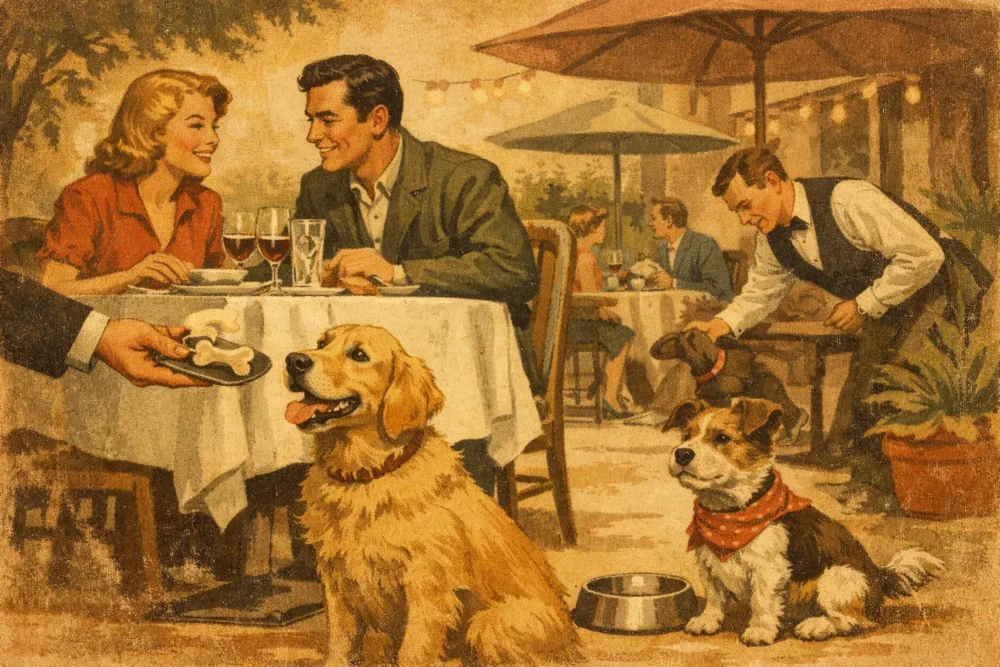
A dog-friendly patio can make the difference between a quick stop and the kind of meal people remember long after the trip is over. In a place like Sedona, where scenic walks, sunny afternoons, and outdoor dining naturally go together, understanding what makes a restaurant dog friendly matters to guests who want to bring the whole family along, leash included.
The short answer is that it takes more than simply allowing dogs to sit beside the table. A truly dog-friendly restaurant creates an experience that feels comfortable, thoughtful, and easy for both pet owners and guests who came without pets. The best places make room for everyone while keeping service polished, the atmosphere relaxed, and the setting enjoyable from the first greeting to the last sip of a cocktail.
What Makes a Restaurant Dog Friendly in Practice
At the most basic level, dog-friendly dining starts with a welcoming outdoor space. In most cases, dogs are permitted in patio areas rather than indoor dining rooms, so the patio becomes the heart of the experience. But not every patio feels equally inviting. Guests notice whether there is enough space between tables, whether servers can move easily without stepping around leashes, and whether dogs have a comfortable place to settle.
Shade matters more than many restaurants realize. A patio can look beautiful at noon and still feel too warm for a dog after ten minutes in direct sun. Umbrellas, covered sections, and breezy seating make a real difference, especially in Arizona. Water access matters just as much. A fresh bowl offered without being asked signals that the restaurant is thinking ahead, not just tolerating pets.
That distinction is important. There is a clear difference between a restaurant that permits dogs and one that truly welcomes them. The first may simply allow pets on the patio. The second anticipates what pet owners need and builds those details into the experience.
Hospitality Still Comes First
A dog-friendly restaurant is still a restaurant first. Guests want great food, attentive service, and a setting that feels worth the visit. If the dog policy creates confusion, slows service, or makes the patio feel chaotic, the experience suffers for everyone.
That is why staff training is such a big part of what makes a restaurant dog friendly. Servers do not need to become pet experts, but they should know how to greet tables with dogs naturally and confidently. That can be as simple as offering water, pointing out the most spacious seating areas, and understanding house guidelines so guests are not getting mixed messages.
Good hospitality also means reading the table. Some diners love a quick hello for their dog. Others want a calm, low-key meal with minimal fuss. The right approach feels warm without becoming overdone. When service is polished, dogs become part of the experience rather than a disruption to it.
The Patio Setup Can Make or Break It
Space planning is one of the biggest practical factors. Dogs need room to lie down without blocking walkways, and neighboring tables need enough separation to feel comfortable. That is especially true when one guest has a calm older dog and the next has a curious puppy. Neither is wrong, but the patio should be arranged to reduce friction.
Surface materials matter too. Hot concrete, slick flooring, or tightly packed furniture can make dogs restless. Comfortable, shaded patio sections tend to work best because they help pets settle in and allow owners to relax. If a dog is comfortable, the entire table is more likely to stay longer, order another round, and enjoy the meal.
Noise is another factor that often gets overlooked. Restaurants with lively happy hour energy can still be dog friendly, but there is a balance. Music that is too loud, crowded service stations, or constant foot traffic near patio tables can make even well-behaved dogs uneasy. A good setup gives guests options, with some tables closer to the action and others in quieter corners.
A Real Dog-Friendly Experience Includes the Menu
One of the clearest signs that a restaurant is serious about pet-friendly dining is whether it has gone beyond the patio basics. A dedicated dog menu is not required, but it does show a level of intention guests remember. It turns the visit into an experience rather than a workaround.
For pet owners, that kind of detail feels generous and thoughtful. It says the restaurant understands that dogs are part of the outing, not an afterthought. In a hospitality-driven setting, those touches create loyalty quickly. Guests who feel fully accommodated are more likely to return, recommend the place to friends, and choose it again on their next visit.
At Creekside American Bistro, that welcoming spirit is part of the patio experience. Scenic views, comfortable outdoor seating, and a dedicated dog menu help create the kind of meal where owners can relax and pets can settle in beside them while Sedona does what Sedona does best.
Safety and Cleanliness Matter More Than People Think
Some guests hear “dog friendly” and immediately picture fur, barking, and disorder. A well-run restaurant proves otherwise. Cleanliness and clear expectations are what keep a dog-friendly policy feeling upscale and approachable rather than messy.
Restaurants need practical standards. Dogs should remain leashed, stay close to the table, and avoid occupying chairs or pathways. Water bowls should be kept clean and refreshed. Patio teams should be ready to tidy spills promptly and handle small issues without awkwardness. None of this needs to feel stiff, but it does need to feel managed.
There is also a courtesy component. A dog-friendly restaurant should work for guests who are enthusiastic dog owners and for those who simply want a peaceful outdoor meal. That means staff may occasionally need to reseat parties strategically or step in if a pet is becoming disruptive. The best hospitality teams do this calmly and kindly, without making anyone feel unwelcome.
What Guests Really Notice
Most people do not judge dog-friendly dining by a checklist. They judge it by how the place feels. Was it easy to sit down with a dog? Did the team seem happy to accommodate the table? Did the patio feel spacious and scenic, or cramped and improvised? Could everyone relax?
That emotional side of the experience matters. Guests often choose dog-friendly restaurants because they are already in leisure mode. They are on vacation, meeting friends, out for brunch after a hike, or looking for a sunset dinner where no one has to rush home to leave the dog behind. The restaurant becomes part of the memory.
That is why scenery, comfort, and rhythm all matter. A beautiful patio with thoughtful service can elevate a simple meal into something people talk about later. It feels easy in the best way. No scrambling for water, no uncertainty about where to sit, no sense that bringing a dog was a burden.
It Depends on the Type of Restaurant
Not every restaurant should try to be dog friendly in the same way. A casual brunch patio may have more flexibility than a tightly spaced urban dining room. A destination restaurant with mountain views may be especially well suited to outdoor pet-friendly service, while another concept may decide that a limited patio policy makes more sense.
That is where trade-offs come in. Welcoming dogs can expand a restaurant’s appeal and create a more inclusive guest experience, but it also requires operational discipline. Space, staffing, weather, and guest flow all play a role. The strongest dog-friendly restaurants are the ones that understand their setting and build policies that fit it naturally.
For guests, the best approach is to look for signs of intention. Does the restaurant highlight patio dining? Does it seem designed for comfort? Do the details suggest genuine hospitality rather than reluctant permission? Those are usually the places where the experience feels smooth.
What Makes a Restaurant Dog Friendly Enough to Revisit
The places people return to are rarely the ones that simply say yes to dogs. They are the ones that make the experience feel complete. That includes a comfortable patio, fresh water, enough space to settle in, and a staff that handles the table with warmth and confidence. Add strong food, inviting cocktails, and a memorable setting, and the restaurant becomes part of the reason people want to come back to town.
For dog owners, that kind of hospitality feels personal. It means no one gets left out, and the meal still feels elevated. For restaurants, it is a chance to show that great service is about more than what is on the plate. Sometimes the most memorable welcome starts with a shaded patio, a bowl of water, and enough care to make every guest feel right at home.