

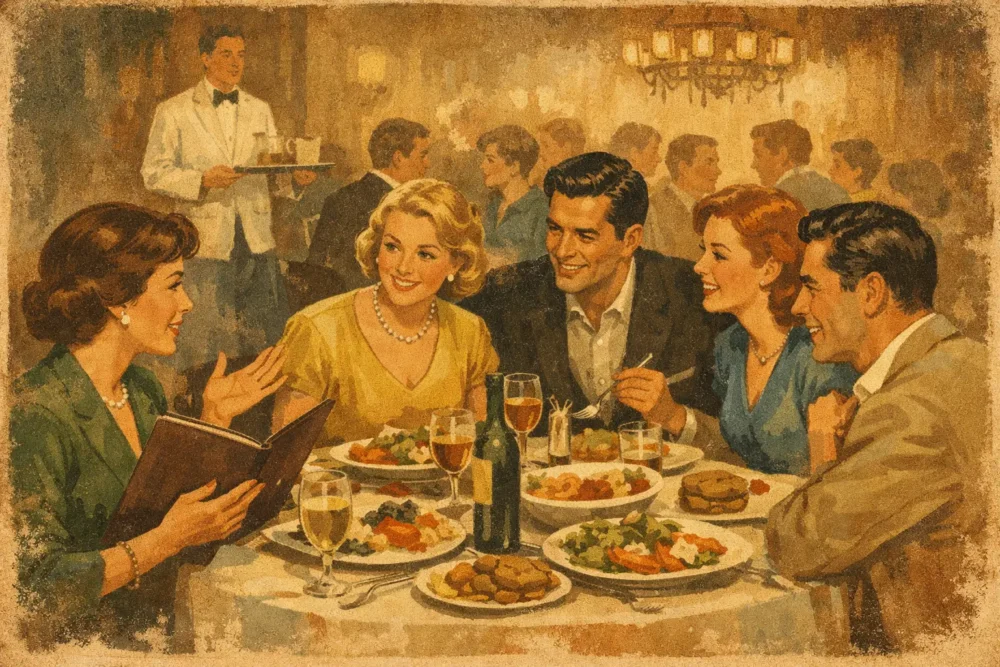
A table for eight sounds easy until two guests are gluten-free, one is bringing a dog, three are running late from a trail, and everyone has a different idea of what counts as a good dinner. That is exactly why knowing how to plan group dining matters. The best group meals feel effortless for guests because someone took the time to think through the details before anyone sits down.
Group dining is part logistics, part hospitality, and part reading the room. Whether you are organizing a birthday brunch, a casual reunion, a business lunch, or a celebratory dinner in Sedona, the goal is the same – make it easy for people to say yes, show up relaxed, and leave feeling well taken care of. Good planning does not mean making the meal rigid. It means building enough structure that the experience still feels warm and comfortable.
Start with the kind of gathering you actually want
Before you pick a date or send a text thread into chaos, get clear on the purpose of the meal. A group happy hour has different needs than a rehearsal dinner. A family brunch may need flexibility for kids, while a friends’ getaway dinner may be more about cocktails, views, and a longer, more social pace.
This first decision shapes everything else – the time of day, the budget, the menu style, and the type of seating that makes sense. If the goal is conversation, loud bar seating may not be ideal. If the group is visiting Sedona for the scenery, patio seating and timing around sunset may matter more than getting the earliest reservation available.
When people skip this step, they usually end up planning around convenience instead of the experience. That is when group meals start to feel scattered. The clearer the purpose, the easier every next decision becomes.
How to plan group dining around size and timing
The biggest mistake in group dining is underestimating how much the guest count affects the experience. A table for six can often move like a regular reservation. A party of 12 or 20 is different. Larger groups need more coordination, more communication with the restaurant, and more realistic expectations about pacing.
It helps to get to a solid headcount early, even if a few maybes are still floating. Restaurants can accommodate groups more comfortably when they know what they are preparing for. It is also wise to think about arrival patterns. Will everyone come together, or will people drift in after shopping, hiking, or sightseeing? That changes how smooth the opening of the meal feels.
Timing matters just as much. If your group wants a lively atmosphere, peak service may be perfect. If you want a more relaxed meal with room to linger, an earlier lunch, late brunch, or a slightly off-peak dinner can be a better fit. There is no one right answer. It depends on whether your priority is energy, privacy, views, speed, or flexibility.
Give the restaurant real information
When you reach out, be specific. Share the party size, occasion, preferred time, seating preferences, and any important guest needs. If there are older adults who need easy access, children who need space, or pets that will be joining on a dog-friendly patio, say so up front.
This is where experienced hospitality teams shine. They can often suggest the best setup for your group, but only if they understand what kind of experience you are trying to create. A scenic brunch for out-of-town guests and a quick weekday team lunch may involve the same number of diners, but they should not be planned the same way.
Choose a restaurant that makes groups feel comfortable
Not every restaurant is built for group dining, even if the food is excellent. The right setting does more than fit your party on paper. It should feel welcoming, easy to navigate, and appropriate for the mood of the gathering.
Look for a place with enough menu range to satisfy different tastes without making ordering feel complicated. Groups do best when guests can choose between lighter options, comfort-driven plates, cocktails, and nonalcoholic drinks without feeling boxed in. Atmosphere matters too. Scenic views, comfortable seating, and attentive service often do more for the success of a group meal than an overly ambitious concept.
If your guests are traveling, this becomes even more important. Visitors want a meal that feels memorable and distinctly local, but they also want it to be easy. A restaurant with polished service, a strong sense of place, and a menu that feels elevated without being fussy usually hits that sweet spot.
Think through menu choices before the day arrives
One of the easiest ways to reduce stress is to decide early how structured the food experience needs to be. For smaller groups, ordering from the regular menu may be simple and enjoyable. For larger parties or special occasions, a more guided approach can keep the meal moving and avoid confusion.
This does not mean every group needs a fixed menu. It means asking practical questions. Will separate checks be available? Should appetizers be shared? Are there dietary restrictions that need to be addressed before arrival? Does the group want a celebratory dessert moment or a toast built into the meal?
When guests can review options ahead of time, they arrive more relaxed. That is especially helpful with mixed groups where some people want hearty comfort food, others prefer lighter fare, and a few are focused on cocktails or brunch favorites. A little preparation preserves the easygoing feel once everyone is at the table.
Make room for dietary and lifestyle needs
This is where good hosting becomes memorable. Asking guests about allergies, dietary preferences, and accessibility needs is a thoughtful move, not an overly formal one. People remember when they feel considered.
The same goes for lifestyle details that affect comfort. If a guest is bringing a dog, if someone needs shade on a patio, or if a member of the group prefers a quieter seating area, those details matter. They may seem small when you are planning, but they can shape how welcome people feel once the meal begins.
Set expectations with the group
If you have ever planned a group meal, you know the real challenge is often not the reservation. It is getting everyone aligned. A simple message to the group can prevent a surprising number of day-of issues.
Let guests know the reservation time, parking plan, whether the table will be indoors or outdoors, and whether the meal is casual or occasion-driven. If people are expected to arrive early for drinks, say that. If the kitchen needs menu selections in advance, communicate that clearly and early.
This is also a good time to address budget without making it awkward. You do not need to turn a social meal into a spreadsheet, but people appreciate knowing whether the plan is cocktails and shared starters or a more relaxed, order-what-you-like experience. Clear expectations create a smoother, more comfortable atmosphere for everyone.
How to plan group dining without losing the hospitality
The best hosts know that efficiency is only half the job. The other half is preserving the feeling that the meal is generous and enjoyable, not tightly managed. That balance matters.
Build a little breathing room into the experience. Do not stack the meal too close to another activity if you can help it. Group dining tends to move at its own pace, especially once conversations start flowing. If your guests are visiting Sedona, they may want time to settle in, take in the views, and enjoy the moment rather than rush through it.
This is also why atmosphere should be part of the plan, not just the backdrop. A group meal becomes more memorable when there is something about the setting that invites people to stay present – red rock views, a cozy dining room, a patio with fresh air, or a happy hour that turns dinner into an occasion. At Creekside American Bistro, that combination of scenic surroundings, polished comfort, and guest-focused service is exactly what makes group gatherings feel both easy and special.
Have a backup plan for the variables you cannot control
Even well-planned group meals can shift. Weather changes. Travelers run late. Guest counts move by one or two. Someone decides at the last minute that brunch sounds better than dinner. Good planning leaves room for real life.
That means confirming your reservation, checking in if your count changes, and staying flexible about small adjustments. It also means choosing a restaurant team that can handle moving parts with professionalism and warmth. A group meal should never feel fragile, as if one late arrival will ruin the whole thing.
The host sets the tone here. If you stay calm and communicate clearly, the group usually follows your lead. People do not need perfection. They want to feel that the meal is in good hands.
Group dining is rarely about just eating together. It is about making space for connection, celebration, and a shared memory that feels easy in the moment. Plan with care, choose a setting that knows how to welcome people well, and the table tends to take care of the rest.